
5 Mistakes to Avoid With Gate Installation
The five costliest gate installation mistakes almost always happen before the gate ever arrives on site: burying conduit in the wrong place, undersizing the operator for how the driveway actually gets used, setting posts on footings too small for Los Angeles clay, skipping the intercom wiring plan, and misreading setback requirements. Each one costs more to undo than it would have cost to avoid. If you’d rather not navigate any of it alone, call Portcullis Gate Repair at (940) 412-7340 and we’ll walk the site with you before a single post hole gets dug.
1. Burying the Conduit in the Wrong Place
Here’s the mistake that tops our list because it’s invisible, expensive, and impossible to spot on day one. The most expensive gate installation error in Los Angeles costs nothing on the day it’s made. You bury the electrical conduit, the PVC pipe that carries power and control wiring from the house to the gate, in a spot that makes sense at the moment. Then the driveway gets poured. Then six months later the gate stops opening reliably, and the fix means saw-cutting through finished concrete, pulling wire, patching, and hoping the next splice holds.
In neighborhoods like Sherman Oaks and Encino, where driveways are tight to the property line, we trace conduit runs that cut diagonally across the drive for no reason other than it was the shortest trench that day. A kinked conduit is even worse. That’s the second thing we look for when a homeowner calls about a gate that works sometimes and not others. Intermittent failures are rarely the operator’s fault. They’re water in a conduit joint, a wire rubbed bare at a kink, or a run so shallow that a landscaping pick, a tree root, or a parked car’s weight crushed the pipe. By the time the gate misbehaves, the concrete has already set around the problem.
The fix before the pour: run conduit at least 18 inches deep, use sweeps instead of sharp 90-degree elbows, and stub it out exactly where the operator and keypad will live. Straight runs. No joints below grade unless you absolutely must. And leave a pull string inside so future wire changes don’t turn into a concrete job. If you’re already past this point and the gate starts acting up, the team at Electric Gate Repair in Los Angeles can usually isolate whether the problem is wiring, a board, or the operator itself before anyone starts cutting.
2. Sizing the Operator for the Gate, Not the Traffic
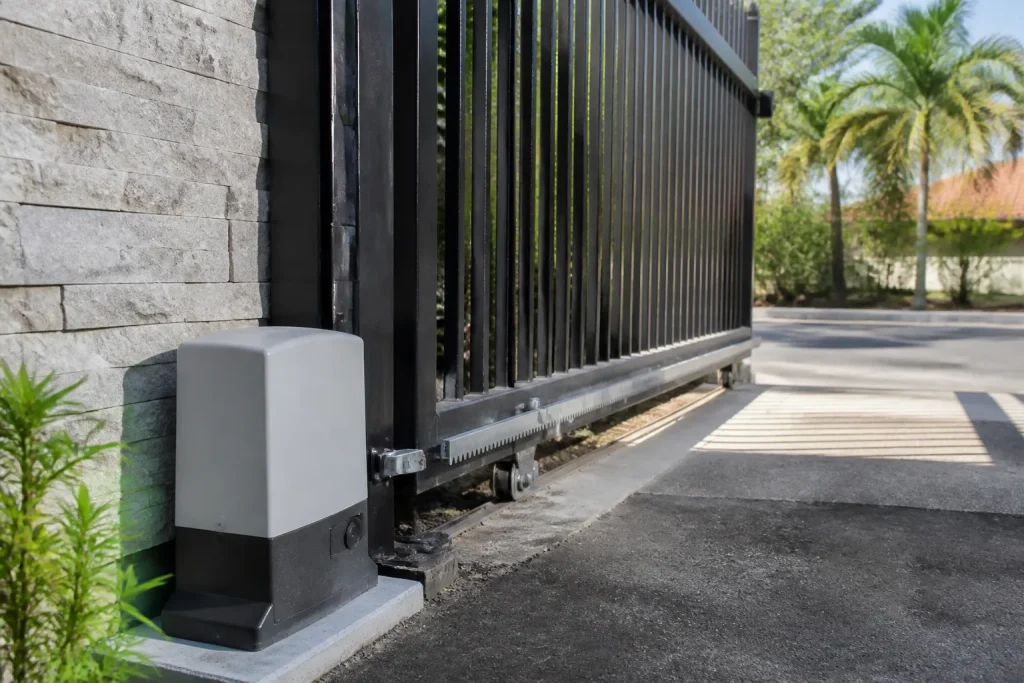
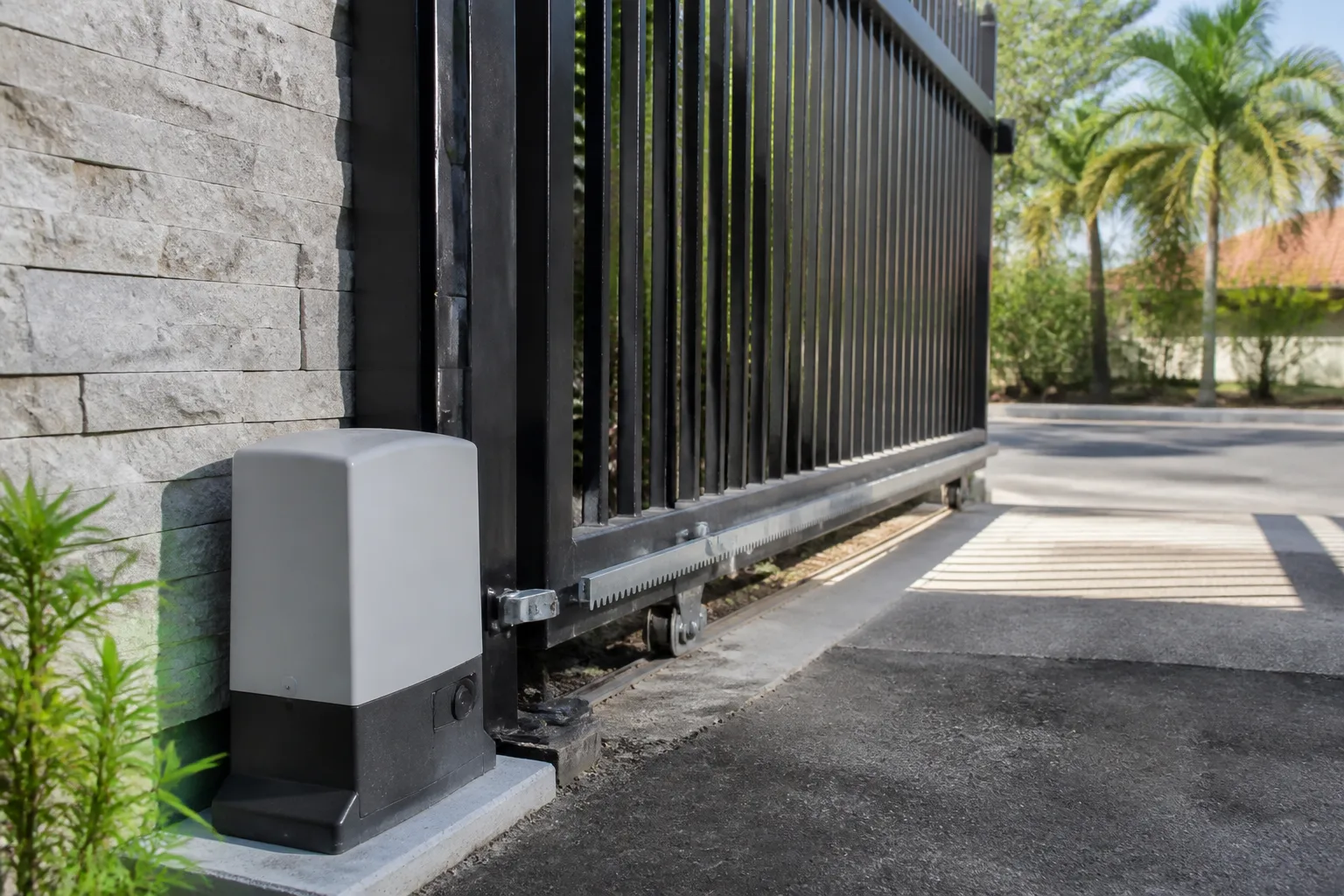
The gate operator is the motorized box that swings or slides the gate leaf. Every operator has a duty cycle: how many cycles per hour it’s built to handle before it overheats and shuts down. Homeowners shop for an operator based on gate weight, gate length, and maybe brand preference. They almost never ask the question that matters: how many times a day is this gate actually going to open?
This matters enormously in Los Angeles. A house on a quiet street in Studio City with two cars in the driveway might cycle the gate a dozen times a day. Meanwhile, a rental property with four tenants, a housekeeper, a pool guy, and Amazon delivery hitting the gate 60 to 80 times daily puts the same operator into a completely different world. When a residential-grade operator gets installed on a high-traffic driveway in Los Angeles, we see failures at the 14 to 18 month mark with startling consistency. The motor overheats, the limit switches wear, the board gives out. The homeowner blames the brand. It was never the brand. It was a duty-cycle mismatch.
We size operators by real usage. A LiftMaster or FAAC residential operator works beautifully on a single-family home with normal traffic. Start counting door codes, tenants, deliveries, contractors, and share rides, and you may need a light-commercial unit instead by BFT or Linear, one built to move a heavier leaf more often without cooking itself. We’d rather install the right operator once than replace the wrong one in 18 months. When you get a written quote for Gate Installation in Los Angeles from us, the operator sizing conversation is part of the estimate, not an upsell after the fact. That’s how the Kingswell Guarantee works: the price is written before the work starts, and it includes the hardware that’s actually right for the driveway.
3. Pouring Footings That Can’t Handle Los Angeles Clay
Los Angeles soil is expansive clay. It swells when wet and shrinks when dry. That movement is the quiet enemy of every gate post in the city. A footing that works fine in sandy, well-draining soil will heave and settle in Los Angeles, and the result is the gate you’ve seen a hundred times: the leaf sags, the latch no longer lines up, the gap at the hinge side opens up, and eventually the post leans enough to tear the operator mount.
The typical mistake is concrete that’s too small in diameter and too shallow for the soil we’re actually digging in. A 12-inch diameter hole 24 inches deep sounds plenty until the first wet winter cycles the soil around it. Then the post moves, and the gate fight begins. You shim the hinges. You adjust the latch. You blame the installer. But the gate leaf was always going to move because its anchor wasn’t built for the ground it sits in.
In Los Angeles, we size footings for the clay: deeper, wider, with rebar and proper drainage. The post isn’t just set in concrete; it’s engineered to stay put through wet winters and dry summers. This is also where the real arrival window and clean job site parts of the Kingswell Guarantee matter. A proper footing pour means a bigger hole, more concrete, and a mess if someone’s sloppy. We’re not. The site gets cleaned up before the technician leaves, same as every Gate Repair in Los Angeles job we run.
4. Planning the Gate but Not the Intercom
Here’s the mistake we hear about after it’s already too late: the gate goes in, the driveway gets finished, and only then does the homeowner realize they wanted a video intercom, a keypad, a vehicle detection loop, or a phone-based entry system. By then there’s no conduit reaching the pillar. No wire for the camera. No pathway for the sensor loop. The concrete is dry, and every retrofit means cutting, trenching, patching, or surface-mounting conduit that looks like an afterthought because it is one.
The hardest version of this is the video intercom. A hardwired video intercom needs power, signal, and a path from the keypad or camera at the street back to the operator and the house. Adding it after the gate installation is done typically triples what it would have cost to run the wires before the pour. Sometimes more, depending on how much concrete sits between where the wire is and where it needs to be.
We pulled a gate controller out of a garage in Los Feliz last year where the homeowner had retrofitted a video intercom after the fact by running exposed Romex along the top of a retaining wall and painting it stucco color. It worked until it didn’t. When we traced the problem, the wiring had cooked in direct sun for years. The fix would have been a $300 conduit stub during the original install. It became a much longer afternoon by the time we got the call.
So before the gate even arrives, decide where the keypad sits, where the intercom mounts, whether you want a camera at the driveway, and whether a vehicle loop sensor under the drive makes sense. Run conduit for all of it even if you don’t buy the hardware yet. Empty conduit is the cheapest insurance policy in the whole job. If you’re already locked into a hardscape and need to retrofit, we can help there too, it’s just not as clean and not as cheap. Reach us through the Portcullis Gate Repair home page or call directly.
5. Missing the Setback Requirements Until After Permits
Setback math is where we see smart homeowners get genuinely blindsided in Los Angeles. The setback is the distance the gate must sit back from the property line or the sidewalk so that a vehicle waiting to enter doesn’t block the sidewalk or protrude into the street. It’s measured differently depending on whether the gate swings or slides, and it changes what’s possible on a given property.
The catch: many people design their gate, pick their materials, sometimes even order the gate, before they pull permits and learn the required setback. Then the city says the gate has to move 18 feet back from the sidewalk, or the slide gate can’t overlap the neighbor’s setback, or the operator’s mounting position conflicts with the clearance calculation. Now the design changes. Occasionally the driveway geometry changes. A slide gate that made sense at 20 feet of setback stops making sense at 12 feet, and the whole plan pivots to a swing gate, which means different posts, a different operator, different everything.
The operator adds its own clearance requirement, too. The motorized arm that pushes the gate open needs room to mount and move. If the gate is too close to a wall, a column, or the neighbor’s fence, the actuator won’t fit the way the plan says it will. We’ve seen gates ordered and delivered that physically could not be installed as specified because the operator needed 14 inches and the property offered 9.
This is why pulling the permit before ordering anything is not optional in Los Angeles. It’s also why our written price for gate installation accounts for the setback conversation, the operator clearance math, and the city’s requirements before you’ve spent a dollar on hardware you can’t use.
When to Call a Pro
You can buy a gate kit from a big-box store. You can dig a post hole and pour concrete and feel pretty good about it. But the moment the job involves a city permit, a power run, an operator clearance calculation, or a driveway that’s about to be poured, you’re past the point where a weekend project stays a weekend project. None of these five mistakes announces itself at the time. They all show up later, quietly, expensively, and usually after the warranty on whatever part you bought has lapsed.
Our advice: before you order the gate, before you pull the permit, before you rent the auger, have someone who actually installs gates in Los Angeles look at the site. It costs you an hour. It saves you from buying a gate you can’t legally install, sizing an operator for the wrong duty cycle, or pouring footings that Los Angeles clay will move within two seasons.
Related services in Los Angeles: if you’re already dealing with a gate that moves, sags, or won’t open, our Gate Repair in Los Angeles team can diagnose it. If you’re planning a full installation and want it done once with the right conduit, the right footings, and a written price, that’s Gate Installation in Los Angeles. And if your gate won’t open and the problem is electrical, Electric Gate Repair in Los Angeles covers operators, boards, and wiring.
The Bottom Line
Most gate installation regrets aren’t about the gate itself. They’re about the decisions made in the 48 hours before the installer arrived: where the conduit went, how the operator was sized, how deep the footings went, what wiring got skipped, and whether the setback was checked before the concrete was poured. Get those five right and the gate will do what it’s supposed to do for a long time. Get them wrong and you’ll pay for the same job twice.
If you’re in Los Angeles and want someone to walk the site before you make any of these mistakes, Portcullis Gate Repair offers free estimates. Every job includes a written price before any work starts and a written Kingswell Guarantee on the repair, backed by the Done Right Promise. Call (940) 412-7340 and we’ll talk through your gate, your driveway, and what actually makes sense for your property.
Frequently Asked Questions
Gate installation in Los Angeles typically runs between $2,500 and $12,000 depending on gate type, operator, material, and site work. A basic swing gate with a residential operator on existing posts lands on the lower end. A custom iron gate with a light-commercial operator, new footings, conduit runs, and an intercom sits at the higher end. The best way to get a real number is a site walk. Call (940) 412-7340 and we’ll give you a written price before any work starts, not after we’ve already started taking things apart.
The most common expensive mistake is burying conduit in the wrong place or too shallow before the driveway is poured. By the time the gate misbehaves, the concrete is dry and the fix requires saw-cutting or surface-mounting wiring. Run conduit deep, use sweeps instead of sharp elbows, and stub it out where the operator and keypad will actually live before the concrete truck ever arrives.
On a high-traffic Los Angeles driveway, a residential-grade operator installed on a rental or multi-family property typically fails within 14 to 18 months. That’s a duty-cycle mismatch, not a brand problem. If the gate opens 60 or more times a day, you need a light-commercial operator sized for the workload. We spec LiftMaster, FAAC, BFT, and Linear units based on actual gate cycles, not just gate weight.
Yes. Running conduit for a video intercom, keypad, and vehicle loop sensor before concrete work costs a few hundred dollars. Retrofitting the same wiring after the driveway is poured typically triples the cost, and the finished result looks worse. Empty conduit stubbed to the right locations is the cheapest decision you can make during a gate installation.
Written by the team at Portcullis Gate Repair.
Need Gate Repair Help?
Call Portcullis Gate Repair - licensed & insured, here with fast after-hours help in Los Angeles.
(940) 412-7340