
Last updated October 8, 2026
Free on-site gate assessment - hinges, posts, and your LiftMaster or Nice gate operator checked before anything is quoted
The assessment is free and the quote is the invoice.
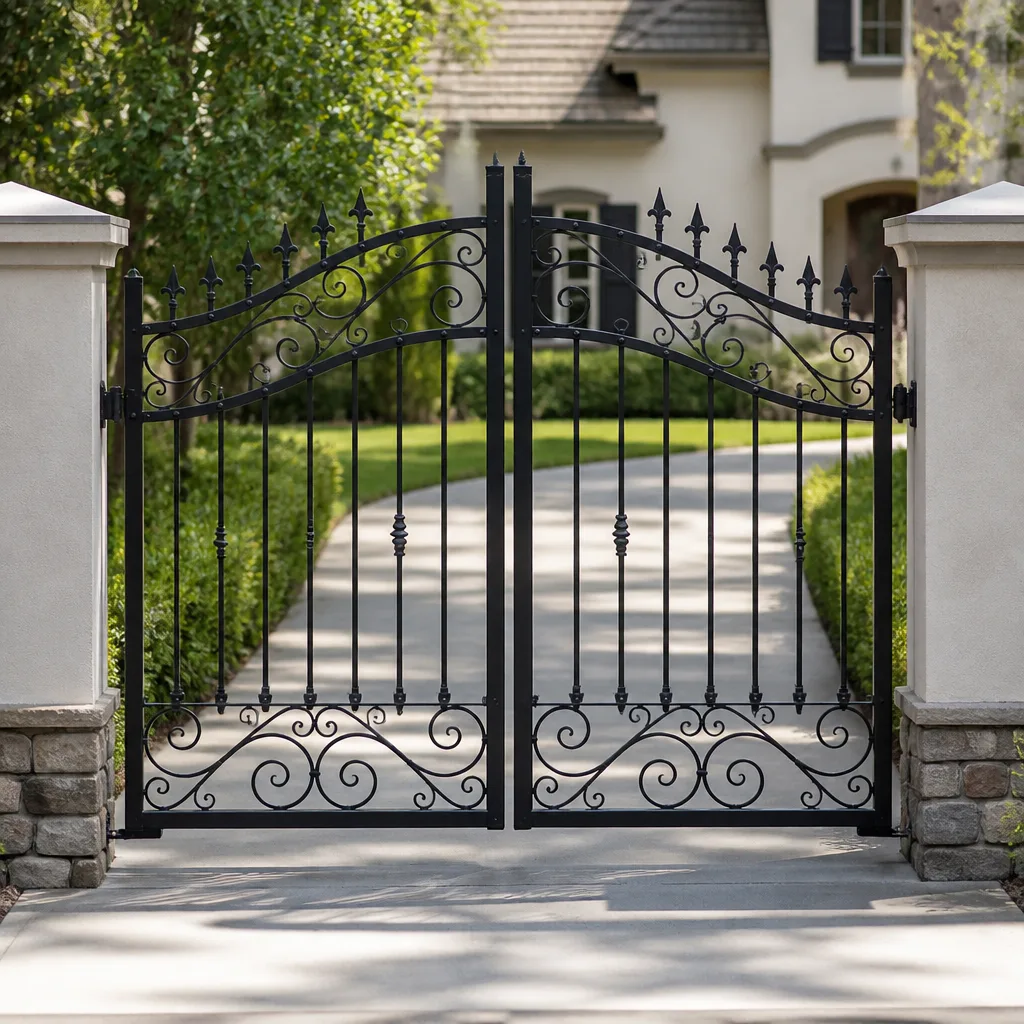
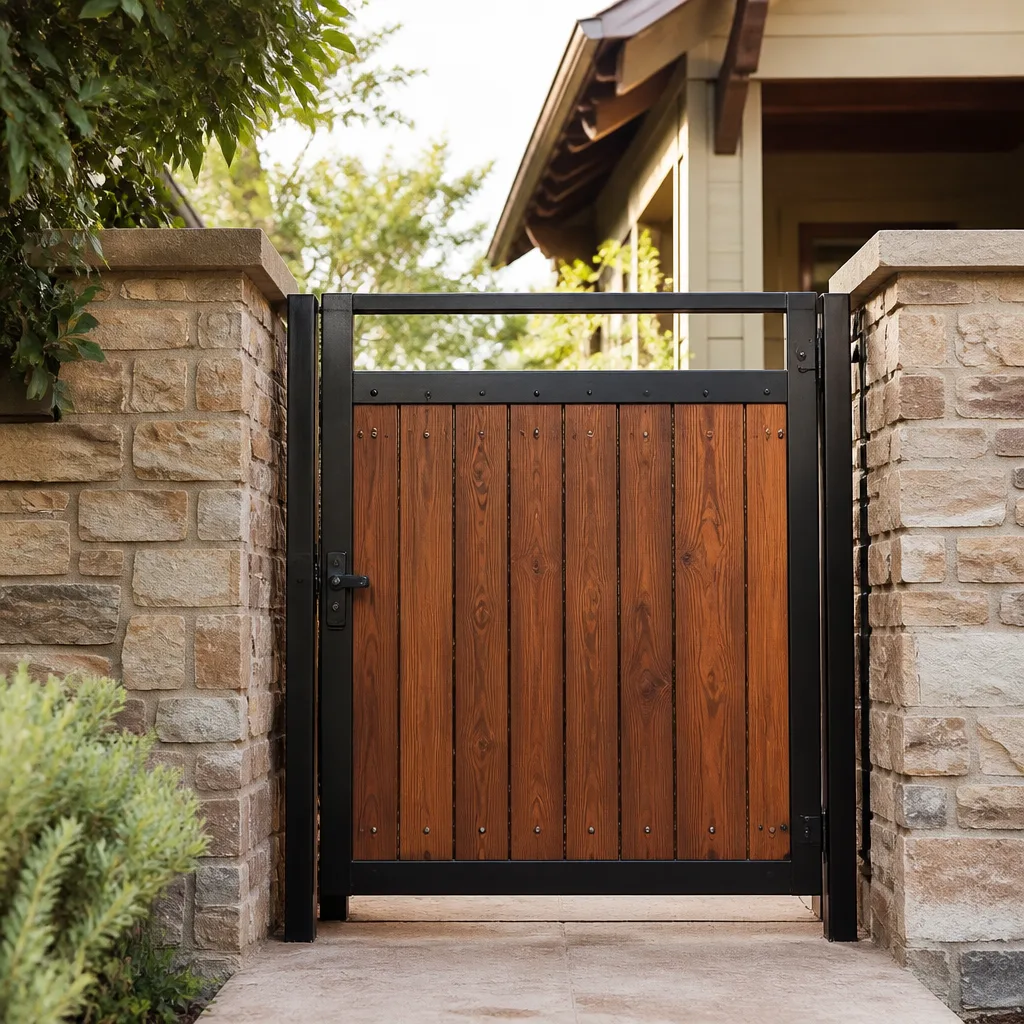
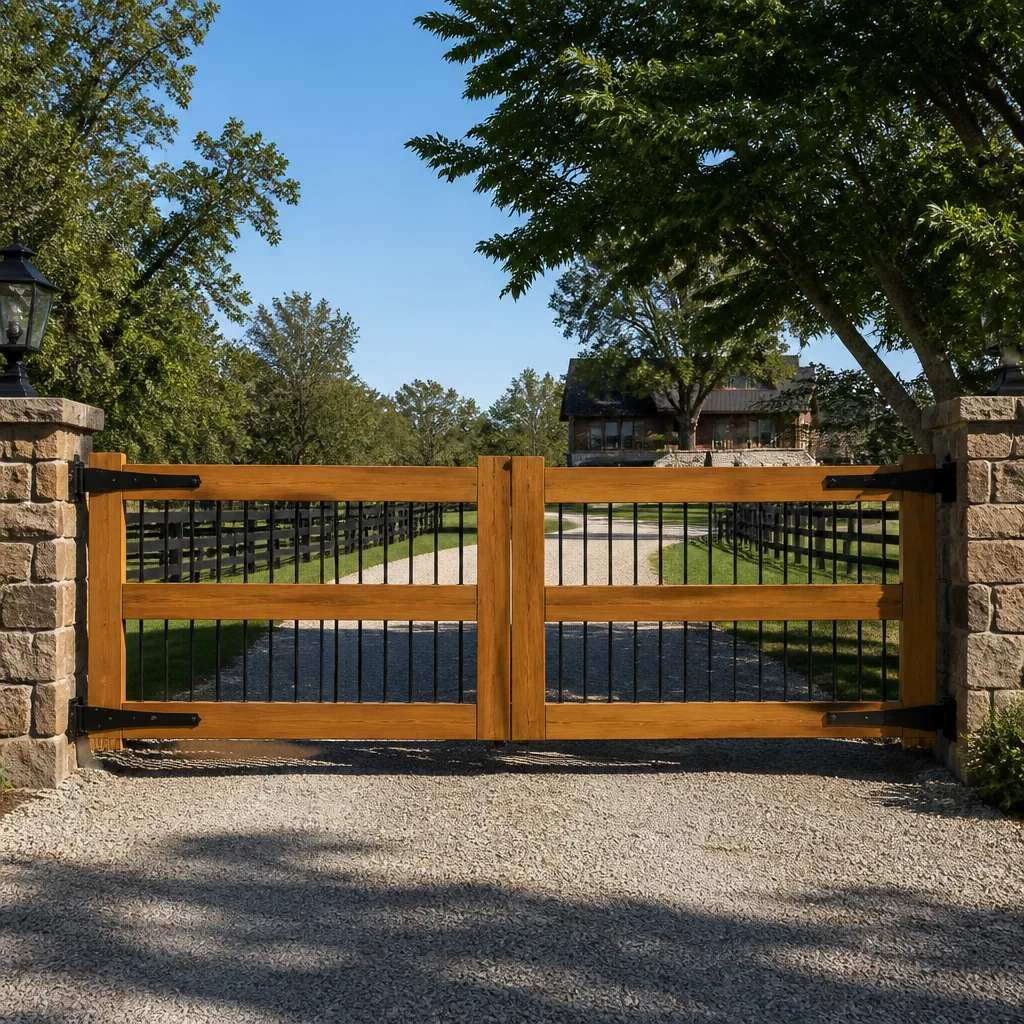
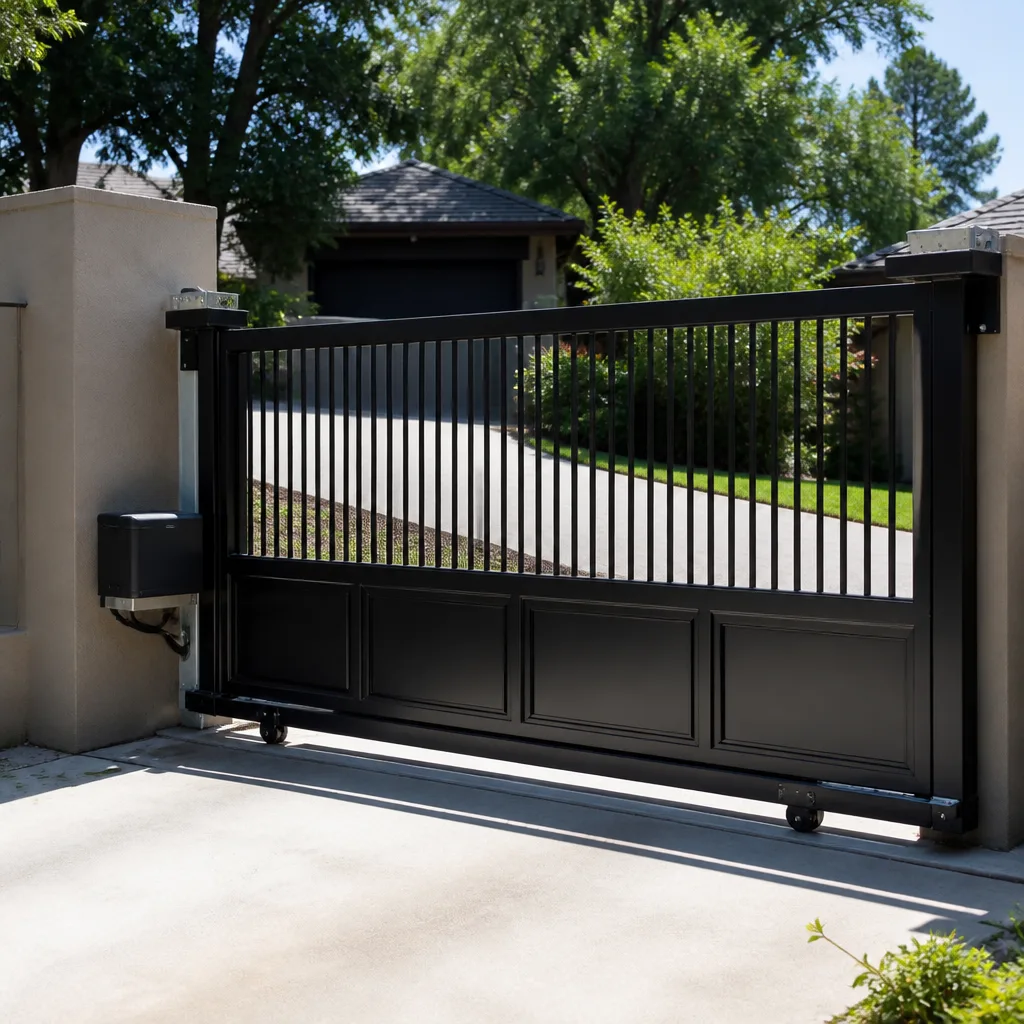
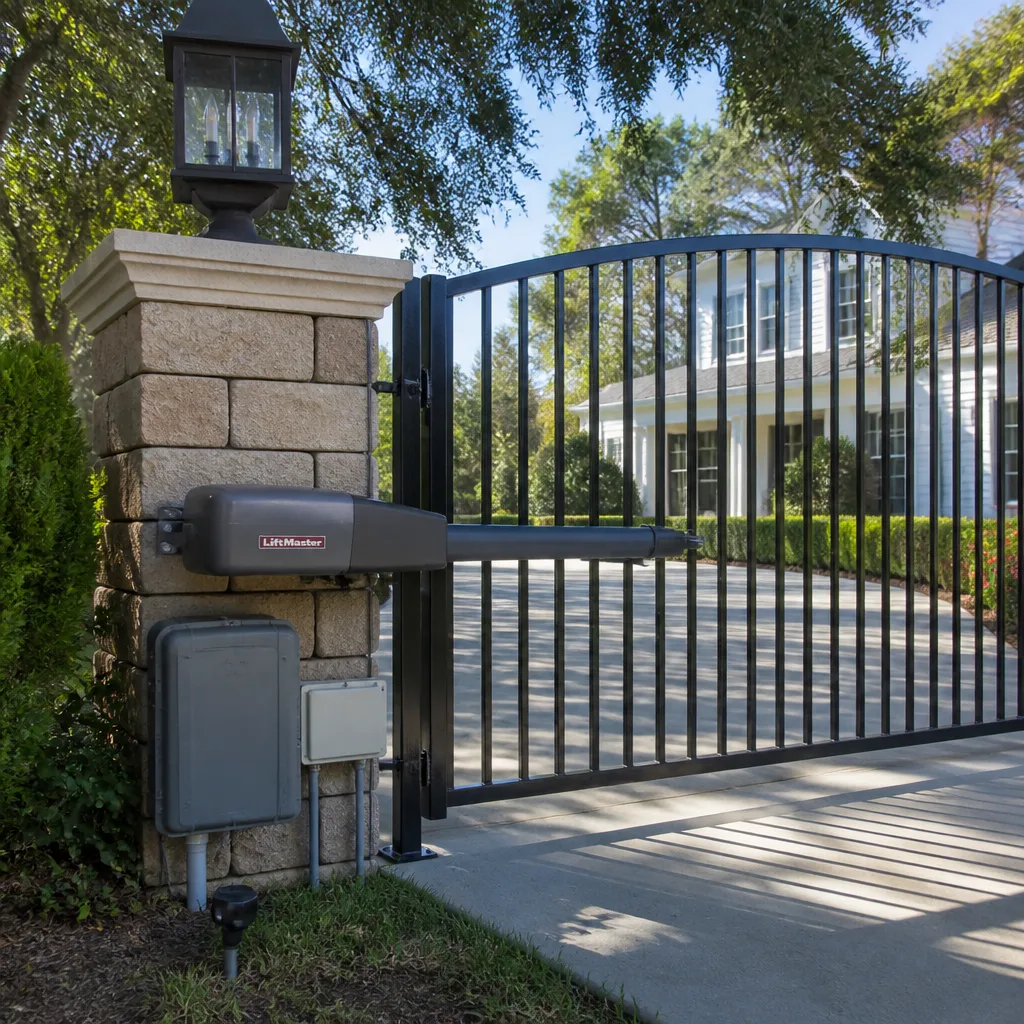
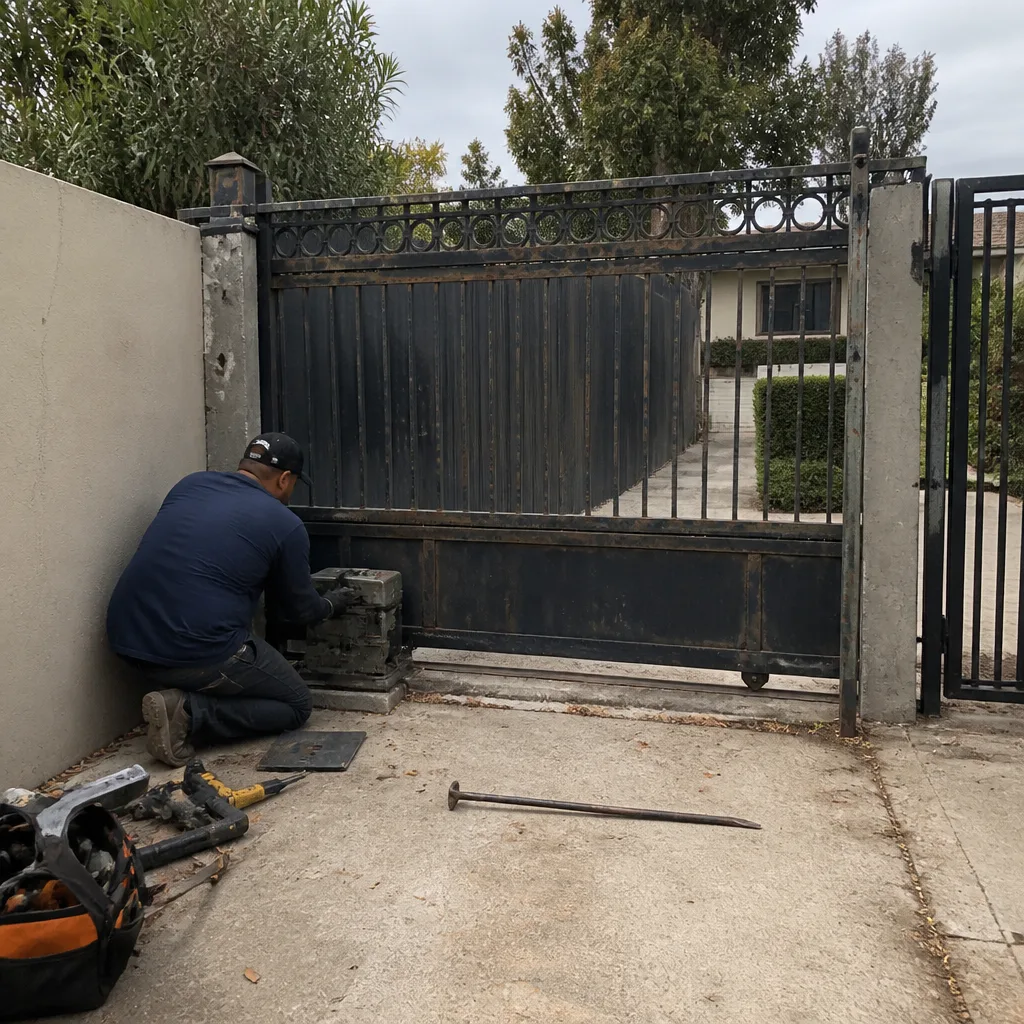 Before
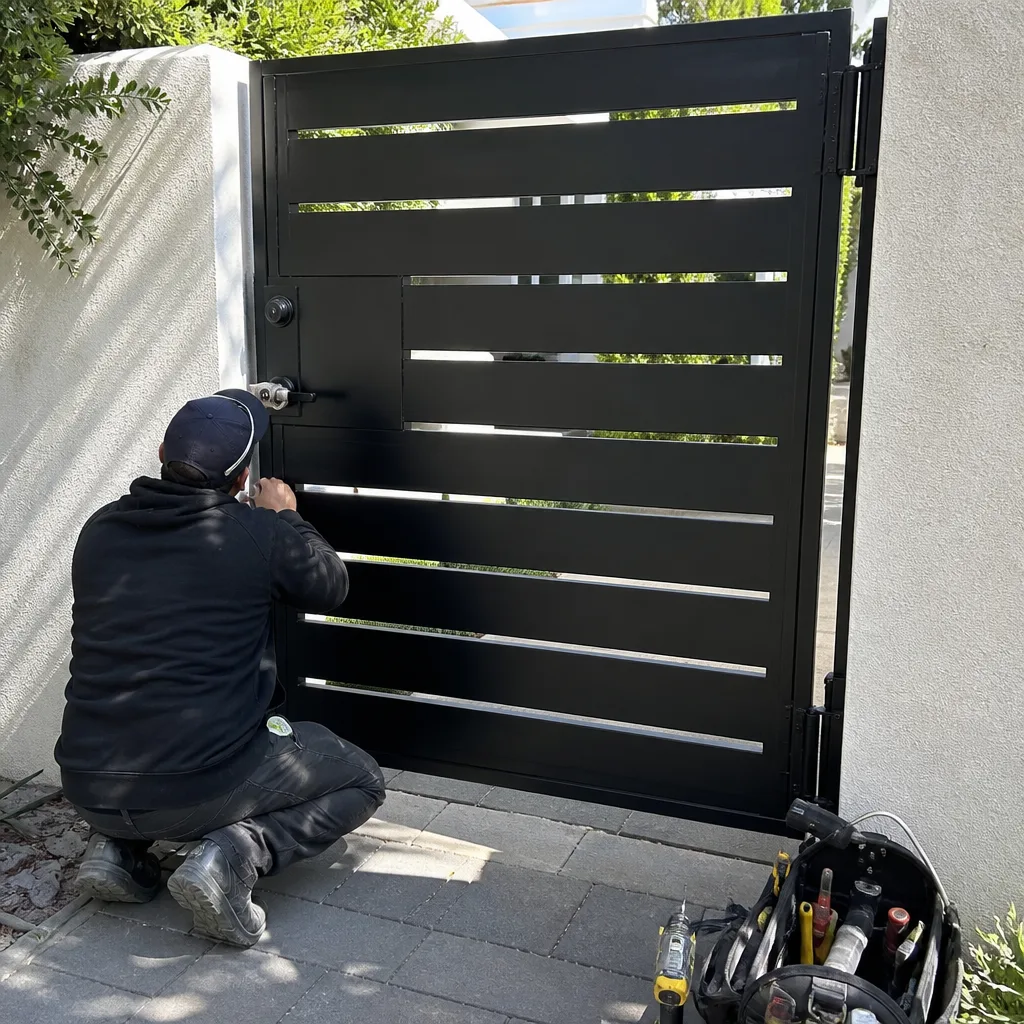 After
After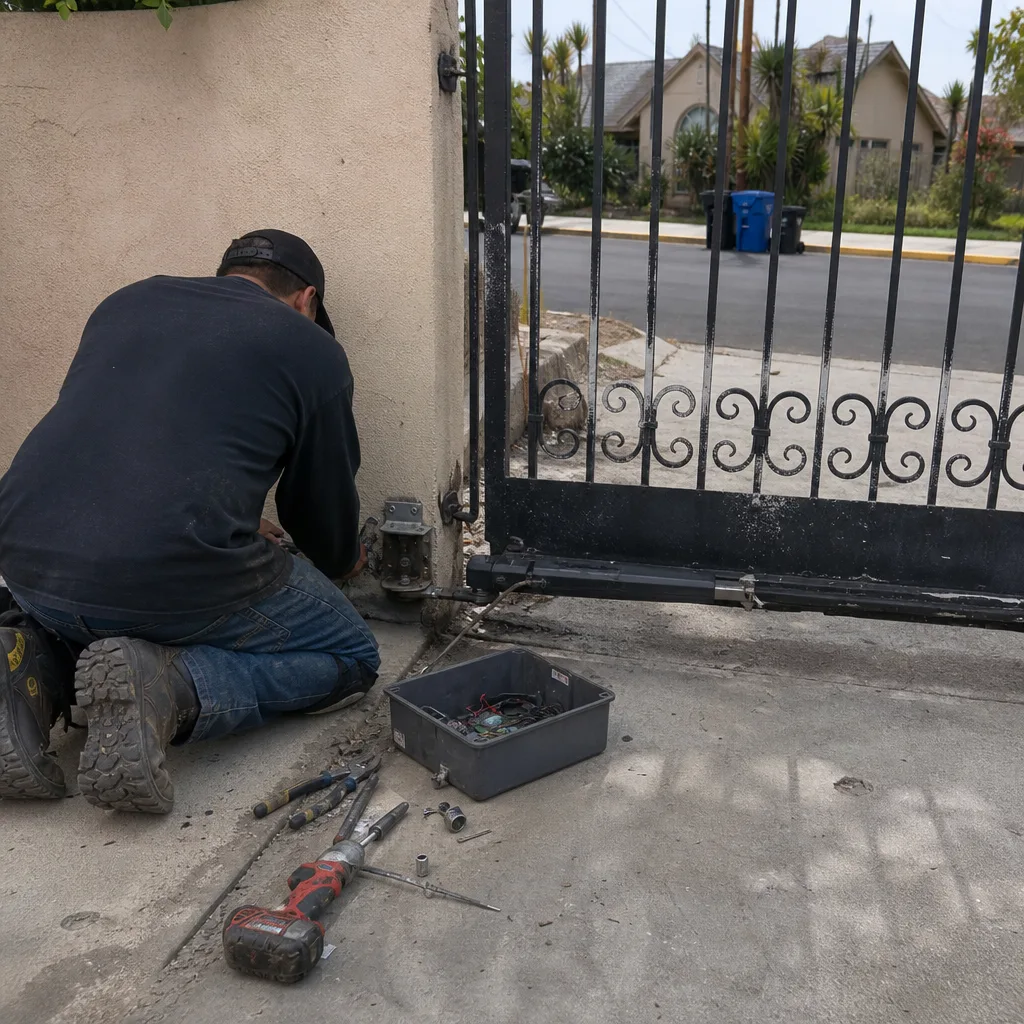 Before
 After
After Before
 After
AfterThe Complete Gate Installation Guide for Los Angeles Homeowners
Los Angeles County fire code requires automated driveway gates over a certain width to include a Knox box or fire department override, and most Gate Installation guides never mention it. Skipping that requirement means a fine and a mandatory retrofit long after the concrete has cured. This guide walks you through the Los Angeles gate installation process in the order that actually matters: approvals first, engineering second, equipment third. By the time you finish reading, you’ll know exactly what your property needs, what it should cost, and which questions to ask before anyone digs a post hole.
Quick Answer
A residential gate installation in Los Angeles typically costs $4,800 to $14,500 for a complete automated swing or slide gate, including equipment, posts, operator, safety devices, and labor. The approval process, which includes LADBS permits when required, fire department access compliance, and HOA design review where applicable, takes two to six weeks before installation begins. You can install a gate without a permit only when it meets specific height, location, and automation exemptions, which we cover in detail below.
Table of Contents
- Step One: Los Angeles Permits and When You Actually Need One
- Fire Department Access Requirements for Automated Gates
- HOA Design Review in Los Angeles: Timeline and Documents
- Soil Types by LA Neighborhood and What They Mean for Your Footings
- Choosing the Right Gate Equipment: Swing vs. Slide
- What Gate Installation Costs in Los Angeles
- How to Compare Installation Bids Using Line-Item Quotes
- What to Expect on Installation Day
Step One: Los Angeles Permits and When You Actually Need One
Most Los Angeles homeowners assume every gate needs a permit. That’s not true, and knowing the difference can save you $800 to $2,400 in permit fees and plan-check costs. Here’s the breakdown based on LADBS and Los Angeles County requirements.
When a permit is required
- Any gate over 7 feet tall. Height triggers structural review, wind-load calculations, and an engineering stamp.
- Any automated gate. The moment you add an operator, the gate becomes a machine that interacts with vehicles and pedestrians. LADBS treats this differently from a manual gate.
- Masonry columns or pilasters over 4 feet. Brick and block columns require a footing plan and rebar schedule approved by a structural engineer.
- Gates on retaining walls or slopes. Hillside installations need a soils report and possibly a geotechnical review, especially in areas like Beachwood Canyon, Mount Washington, and the hills above Studio City.
- Any gate in a front-yard setback. Many LA neighborhoods have 20-foot front setbacks. A gate inside that zone triggers zoning review.
When a permit is not required
- Manual gates 7 feet or shorter that sit at the property line or behind it, with no automation, no masonry, and no electrical work.
- Replacement of an existing gate using the same posts and same dimensions, as long as you’re not adding automation for the first time.
- Pedestrian gates under 6 feet that don’t attach to masonry columns.
Here’s the part most guides miss: even when you don’t need an LADBS permit, you may still need a fire department sign-off. The Los Angeles Fire Department reviews automated driveway gates separately from the building department, and their requirements apply whether or not LADBS pulls a permit. We cover that next.
In our experience with gate installation in Los Angeles, the most expensive mistakes happen when a contractor tells a homeowner to skip the approval process entirely. A gate installed without required permits becomes a disclosure problem when you sell the house, and LADBS can flag it during any future inspection on the property.
Fire Department Access Requirements for Automated Gates
Los Angeles County fire code, specifically the sections adopted from the California Fire Code, requires that any automated driveway gate serving a single-family home be openable by the fire department without special tools. If your gate spans a driveway wider than one standard vehicle lane, or if your property sits in a designated wildfire hazard severity zone, the requirements get stricter.
What the fire department actually requires
- A Knox box or Knox key switch mounted on the exterior pilaster or post. This is a locked box that holds a key or switch that fire crews can access with a master key. It costs roughly $180 to $350 installed and must be ordered directly through the Knox Company after LAFD approves your gate plan.
- A fail-safe operator setting. During a power outage, the gate must either open automatically or be openable by hand from the exterior. Battery backup alone doesn’t satisfy LAFD; manual release must be accessible.
- Vehicle detection loops positioned to hold the gate open when a fire engine is crossing the threshold. These loops, cut into the driveway and sealed with epoxy, prevent the gate from closing on a truck during an emergency.
- Minimum clear opening width. In most LA residential zones, that’s 12 feet for a fire access lane, but if your driveway serves as the only access to a hillside home, the fire department may require 14 to 20 feet depending on the parcel.
Properties in the Very High Fire Hazard Severity Zone, which covers large portions of Bel Air, Brentwood hills, Tarzana foothills, and the canyons around Encino, face additional scrutiny. The gate operator must include a battery backup system rated for at least 72 hours of standby operation, and the Knox switch must be mounted at a specific height, typically 42 to 48 inches above grade, so a firefighter in full gear can reach it without stooping.
If you skip the Knox box requirement, LAFD won’t fine you the day after installation. The issue surfaces later, often during a brush clearance inspection or when you sell the property and the buyer’s inspector flags the noncompliant gate. The retrofit costs more than doing it right the first time because the concrete around the post has already cured and the wiring conduit is buried.
We install Knox boxes on roughly one in three automated gates we build in Los Angeles. It’s standard practice for us, not an upsell, and we’ve handled enough LAFD plan checks to know which stations take a strict reading of the code and which approve with minor conditions.
HOA Design Review in Los Angeles: Timeline and Documents
If your home sits in an HOA, and a large share of Los Angeles single-family homes in planned developments do, the design review committee gets a vote before LADBS does. Many HOAs in communities like Porter Ranch, Pacific Palisades, and the gated enclaves of Sherman Oaks have architectural guidelines that are stricter than city code.
The HOA process typically takes 30 to 60 days, and it runs in parallel with your city permit application. Here’s what to submit.
The documentation HOAs actually review
- Gate elevation drawings showing height, width, material, color, and hardware finish. Most committees want to see a scaled drawing, not a catalog photo.
- Finish samples. A physical sample of the metal or wood finish, or at minimum a manufacturer’s color code. Some HOAs require two finish options.
- Operator specifications. The make and model of the gate operator, including noise ratings. Quiet operators matter in zero-lot-line communities where the gate motor sits 10 feet from a neighbor’s bedroom window.
- Lighting plan. If the gate includes integrated lighting or external fixtures, the HOA wants lumens and fixture type. Dark-sky communities in the hills have strict caps.
- Landscaping plan for any planting that accompanies the gate installation.
The most common HOA rejection we see in Los Angeles is a finish mismatch. A homeowner picks a bronze powder coat that clashes with existing door hardware three shades away, and the committee sends the whole package back. A second rejection trigger is gate height. Many LA HOAs cap driveway gates at 6 feet even though the city allows 7, so you end up designing to the stricter standard.
If you’re a Portcullis Gate Repair home customer, we include HOA document preparation in every installation quote. You receive the drawings, finish codes, and spec sheets in a single packet ready for submission, and we handle revisions if the committee requests changes.
Soil Types by LA Neighborhood and What They Mean for Your Footings
The ground under your gate determines how deep the posts go, how wide the footings need to be, and whether you’re drilling, pneumatic-hammering, or hand-digging. Los Angeles has wildly different soil conditions within a 20-minute drive, and a footing depth that works in the Valley can fail in the hills.
What we encounter across Los Angeles
- San Fernando Valley alluvial soil (Sherman Oaks, Van Nuys, Northridge, Woodland Hills): Sandy loam with moderate to good bearing capacity. Posts typically go 36 to 42 inches deep with 18-inch diameter footings. A sonotube isn’t always required, but we use one anyway to keep the concrete column clean.
- Hillside decomposed granite (Studio City hills, Laurel Canyon, Hollywood Hills west and east): Hard-packed DG that requires a rock auger or pneumatic hammer. Digging past 36 inches is slow work. Footings here often need to be wider, 24 to 30 inches in diameter, because DG doesn’t distribute lateral load as evenly as loam.
- Expansive clay (parts of Pasadena, Glendale, and the eastern edges of Los Angeles proper): Clay swells when wet and shrinks when dry. Posts set in clay without a properly sized footing will shift seasonally, and we’ve seen gates bind on their hinges within a year of installation. For clay, we recommend 42 to 48 inch depths and sometimes a spread footer instead of a simple cylindrical pier.
- Sandy coastal soil (Playa del Rey, Westchester, areas near the Ballona Wetlands): Loose sand with lower bearing capacity. Post holes have to be over-excavated and filled with a larger concrete mass to prevent settling. Some coastal installations need a continuous grade beam across the full gate opening.
- Demolition and removal of the existing gate and posts, including disposal. If the old posts are set in concrete, that concrete has to come out too.
- Footings and posts with depth, diameter, concrete volume, and rebar schedule. If the bid says “standard footing” with no dimensions, ask for the number.
- Gate fabrication with material, gauge, finish, and dimensions. Powder coat should specify the exact color code, not “bronze.”
- Operator with make and model. If the bid doesn’t name the brand and model, you can’t compare it. FAAC, BFT, Linear, and Viking all make excellent operators at different price points.
- Safety devices including photo-eyes, edge sensors, and vehicle detection loops. California requires entrapment protection, and a bid that omits it either skips compliance or plans to charge for it later.
- Electrical work including the circuit, conduit, and any trenching across hardscape.
- Permit fees and plan check if applicable. Some contractors quote installation only and leave you to handle permits, which shifts cost and liability to you.
- LAFD compliance including the Knox box and any required operator settings.
- Site prep and layout (1-2 hours). The crew marks post locations, checks for underground utilities with a locator service, and confirms the gate swing or slide path is clear.
- Excavation and footings (2-4 hours). Post holes are drilled to specified depth, sonotubes placed, rebar set, and concrete poured. Concrete needs 24 to 48 hours of cure time before the gate hangs.
- Post and gate installation (4-6 hours). Posts set and plumbed, gate hung, hinges adjusted for proper swing and clearance.
- Operator and safety device installation (2-4 hours). Motor mounted, wiring pulled, photo-eyes and edge sensors installed, vehicle detection loops cut into the driveway and sealed.
- Programming and testing (1-2 hours). Limits set, force settings adjusted, remotes programmed, safety devices tested for entrapment compliance.
- Cleanup and walkthrough (30-60 minutes). The job site returns to the condition it was in before we arrived, minus the old gate. We walk through the operation with you and hand you the written Kingswell Guarantee on your installation.
The takeaway: anyone who quotes you a flat “standard footing” price without asking where you live in Los Angeles is guessing. The difference between a 36-inch sonotube in Van Nuys and a 48-inch spread footer in a hillside clay pocket is hundreds of dollars in concrete, rebar, and labor, and it’s the difference between a gate that stays square for 20 years and one that sags in 18 months.
Choosing the Right Gate Equipment: Swing vs. Slide
The right gate design depends on your driveway’s geometry, not your aesthetic preference. Here’s the practical breakdown.
Swing gates
Best for flat or gently sloped driveways with room for the gate leaf to arc inward. Swing gates are more common in Los Angeles because most driveways here are short and the gate opens into a level pad. They’re also quieter than slide gates, which matters in tight-lot neighborhoods.
The trade term for the motor is an actuator, the motorized arm that physically pushes the gate open. Linear arm actuators from brands like FAAC and BFT dominate the LA residential market because they handle heavy gates without a rack-and-pinion track running the length of the driveway.
Slide gates
Best for uphill driveways, long driveways, or any property where a swing gate would need to open against a slope. Slide gates ride on a track or cantilever off posts, and they’re more common in the canyons and hillside lots.
Slide operators from Viking and Linear hold up well in Los Angeles because they use sealed gearboxes that tolerate dust and the fine grit that blows through the foothills during Santa Ana conditions.
For automated gates, the operator is only part of the safety system. California requires a primary and secondary entrapment protection device on every automated gate. That means photo-eyes, edge sensors, or a combination. The sensors have to be tested and listed for the specific operator. We see gates in Los Angeles where a homeowner installed a universal sensor kit on an operator it was never tested with, and the gate reverses unpredictably. That’s a liability issue and an injury risk, not just a nuisance.
Quick Answer: A complete automated swing gate installation in Los Angeles runs $4,800 to $14,500 depending on gate width, material, operator brand, footings, and permit requirements. The approval process takes two to six weeks, and installation itself takes one to three days.
What Gate Installation Costs in Los Angeles
We give our customers real dollar ranges because you should know what a fair price looks like before you take a single quote. Here’s what we see across Los Angeles in 2025 and 2026, based on our own completed installations and the written quotes our customers bring us to review.
| Component | Typical Range in Los Angeles |
|---|---|
| Manual single swing gate (steel or aluminum, 10-12 ft) | $1,800 - $3,600 |
| Automated swing gate package including operator | $4,800 - $8,500 |
| Automated slide gate package including track and operator | $6,500 - $14,500 |
| Ornamental steel gate 14-16 ft with automation | $8,000 - $16,000 |
| Masonry columns (pair, including footings and cap) | $2,800 - $6,000 |
| Knox box and LAFD-compliant wiring | $180 - $350 |
| Permit and plan-check fees (when required) | $800 - $2,400 |
| HOA document preparation | $150 - $400 |
| Electrical run from panel to gate (less than 80 ft) | $900 - $2,200 |
These are installed prices including parts and labor. Your specific property may push you outside these ranges. A hillside slide gate with a 72-hour battery backup, an LAFD plan check, and a 20-foot clear opening will land at the top of the range or beyond. A flat-lot swing gate in Encino with existing posts and a simple operator swap won’t.
One note on electrical work: any hardwired gate operator requires a dedicated circuit from your panel. That work needs to be done by a licensed electrician. If your quote doesn’t include the electrical run, you’re not comparing apples to apples.
How to Compare Installation Bids Using Line-Item Quotes
A lump-sum quote of “$9,500 for a new gate” tells you nothing. A line-item quote tells you what you’re actually paying for and lets you compare one bid against another without needing to understand every trade term. Here’s the process we recommend.
The line items every bid should include
When you have two bids side by side, compare the line items. If one bid is $2,000 cheaper and the difference is the safety devices and the permit line, that contractor isn’t cheaper. They’re omitting work you’ll pay for later, either as a change order or a retrofit after an inspection.
Every quote we write at Gate Repair in Los Angeles is line-itemed this way, and the price you sign is the price you pay. The Kingswell Guarantee applies to installations the same way it applies to repairs: a written price before any work starts, a real arrival window, a clean job site, and a written guarantee on the work.
What to Expect on Installation Day
Installation day is the easy part if the approvals are done right. Here’s the sequence.
Most single swing gates install in one day. Slide gates with new track work and electrical runs take two to three days, including concrete cure time.
Common Mistakes to Avoid
- Skipping the LAFD review on an automated gate. You will discover this at the worst possible time, either during a fire inspection or when you sell. The retrofit costs more than the original compliance work.
- Setting posts in the wrong soil without adjusting footing depth. A contractor who drills 36 inches in clay hillside soil is building a gate that will shift within two seasons. Ask for the soil rationale behind the footing spec.
- Accepting a lump-sum quote with no line items. You can’t verify what you’re paying for. A written line-item quote also protects you from a door-price increase because every component is already specified.
- Choosing an operator based on price alone. The difference between a $400 operator and a $900 operator is longevity, noise, and safety-device compatibility. In Los Angeles, gates cycle thousands of times a year, and cheap operators fail in year two.
- Overlooking HOA review until after installation. HOAs in Los Angeles can and do order homeowners to remove noncompliant gates at the homeowner’s expense. Design review runs before you buy the gate, not after.
- Forgetting the electrical run. A hardwired operator needs a dedicated circuit. If your panel is on the far side of the house, that’s a real cost and a line item that belongs in the bid.
- Not asking about the warranty terms in writing. A verbal “we’ll come back if anything goes wrong” disappears. The Kingswell Guarantee is written on the invoice and covers 365 days, including a free return visit if the installation fails within that period.
When to Call a Professional
Gate installation is not a weekend project. The footings carry hundreds of pounds of cantilevered weight. The operator involves electrical work, force settings, and safety-device programming that has to meet California entrapment standards. The permit process, when it applies, requires drawings and plan checks that most homeowners shouldn’t navigate alone. And the fire department requirements, especially in hillside and wildfire-zone parcels, are specific and unforgiving. If your project involves automation, masonry columns, electrical work, or a hillside lot in Los Angeles, hire a licensed contractor who does this work every week. Electric gate repair in Los Angeles and installation both demand the same standard of care. Portcullis Gate Repair offers free estimates in Los Angeles. Call (940) 412-7340 and we’ll send a background-checked, uniformed technician to walk your property, walk you through the approval checklist, and put a written price in your hand before you commit to anything.
Frequently Asked Questions
A complete automated gate installation in Los Angeles costs $4,800 to $14,500 depending on gate type, size, material, operator, footings, and permit requirements. Manual gates without automation run $1,800 to $3,600 installed. Call (940) 412-7340 for an exact quote on your property, free of charge.
You need an LADBS permit if your gate is over 7 feet tall, automated, includes masonry columns over 4 feet, sits on a slope or retaining wall, or falls within a front-yard setback. Manual gates 7 feet or shorter, and replacements using existing posts, typically don’t require a permit.
Yes, most automated driveway gates in Los Angeles require a Knox box or Knox key switch so the fire department can open the gate without special tools. The requirement applies to gates serving fire access lanes and is standard practice for any automated driveway gate in a wildfire hazard zone.
Most Los Angeles HOA design review committees take 30 to 60 days to approve or reject a gate application. You need elevation drawings, finish samples, operator specifications, and sometimes a lighting plan. Submitting an incomplete packet is the fastest way to add a month to the process.
No, gate installation is measured and scheduled work. We inspect the site, finalize the design, pull permits when required, and schedule the installation. What we do provide is a free estimate with a written price before any work starts, and we hold to the arrival window we commit to on the job. Call (940) 412-7340 to schedule your estimate.
A full installation includes demolition of any existing gate, footings and posts, the gate itself, the operator, safety devices (photo-eyes and edge sensors), electrical work where required, LAFD compliance items like a Knox box, programming, testing, cleanup, and a written guarantee. Always confirm these items are on your quote as separate line items.
The Bottom Line
A gate installation in Los Angeles succeeds or fails before the first post hole is dug. The approval process, LAFD fire code compliance, HOA design review, and soil-specific footing design matter more than the gate itself. Get a line-item quote in writing. Confirm the operator brand and model. Verify the safety devices are included. Confirm the Knox box and permit line items if they apply to your property. And work with a contractor who puts the Kingswell Guarantee, written price, real arrival window, and written guarantee on the work, on paper before you pay a deposit. Portcullis Gate Repair has served Los Angeles since 2008 as a Kingswell company, and every installation carries the 365-Day Done Right Promise. Call (940) 412-7340 for a free, written estimate.
Written by Dean Prescott, Owner at Portcullis Gate Repair, serving Los Angeles since 2008.