
Last updated October 8, 2026
Free on-site gate assessment - hinges, posts, and your LiftMaster or Nice gate operator checked before anything is quoted
The assessment is free and the quote is the invoice.
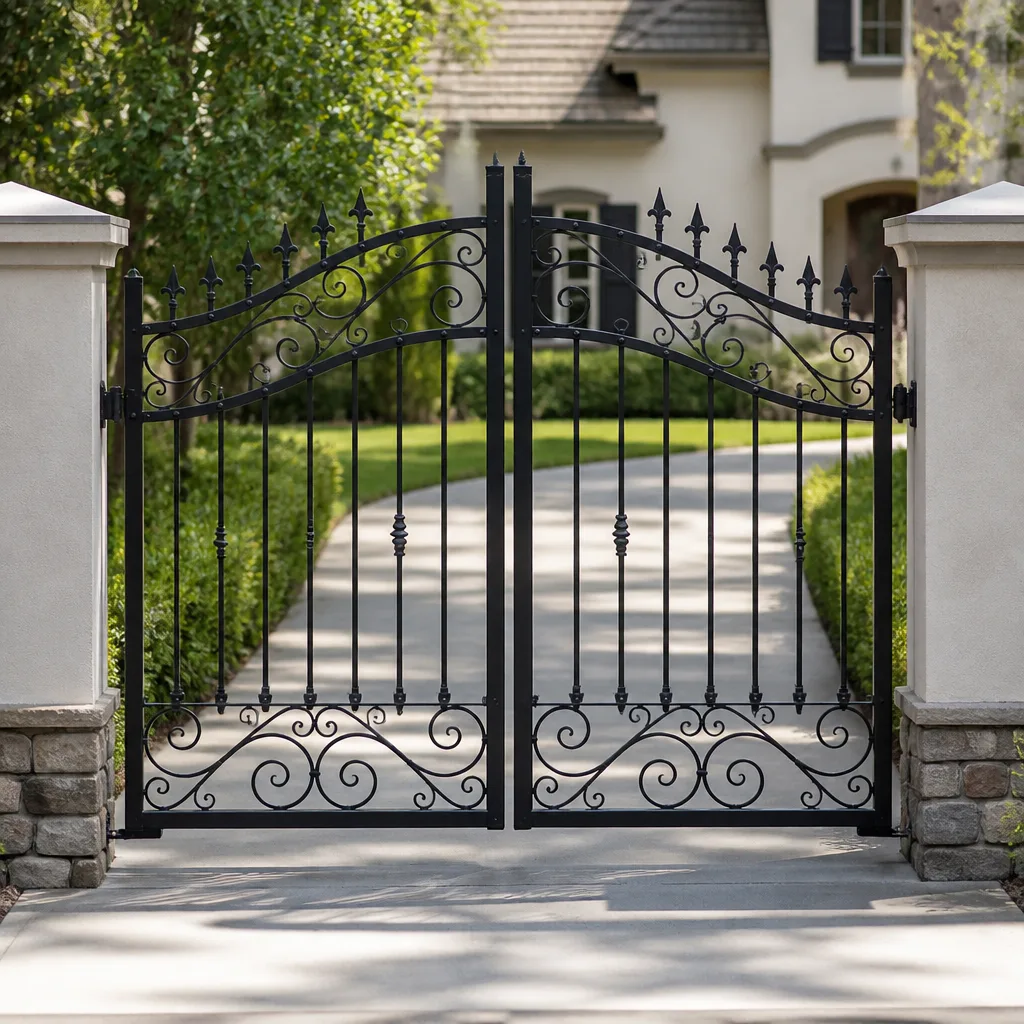
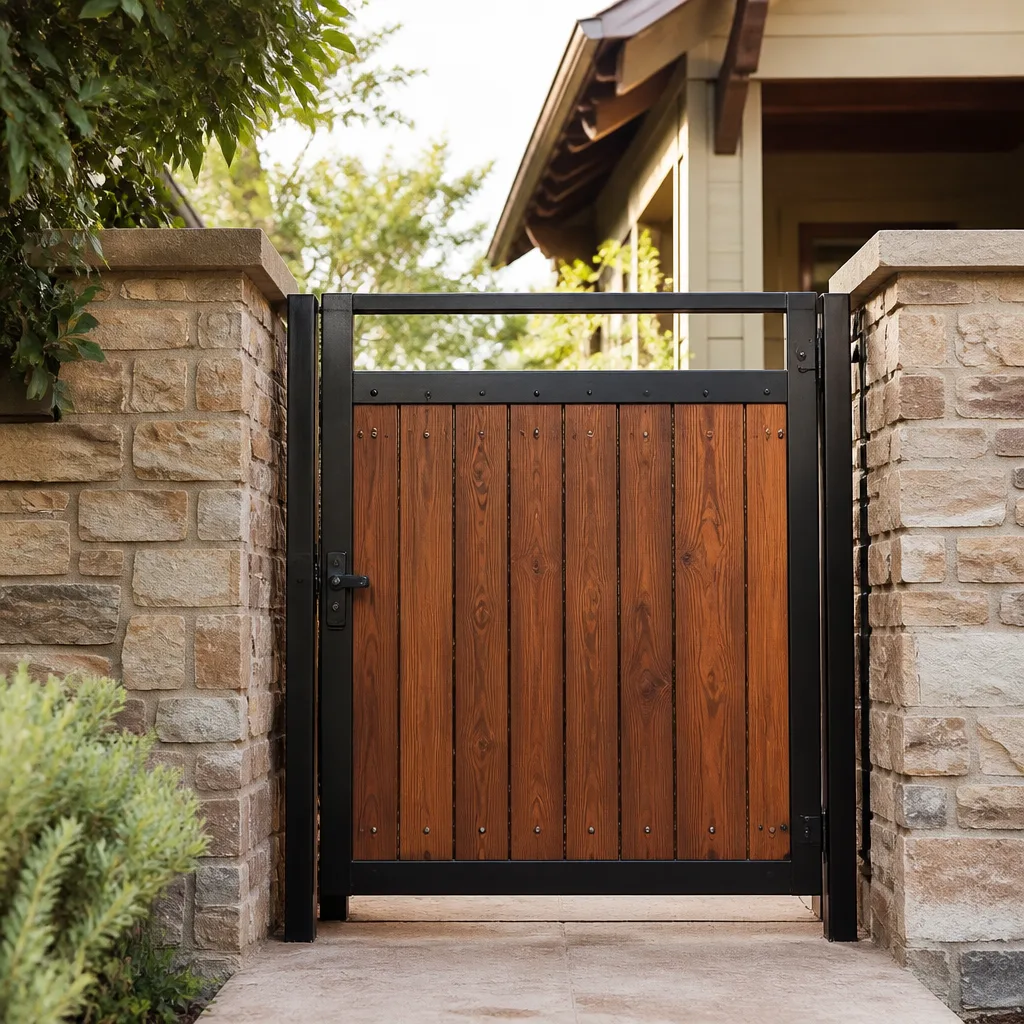
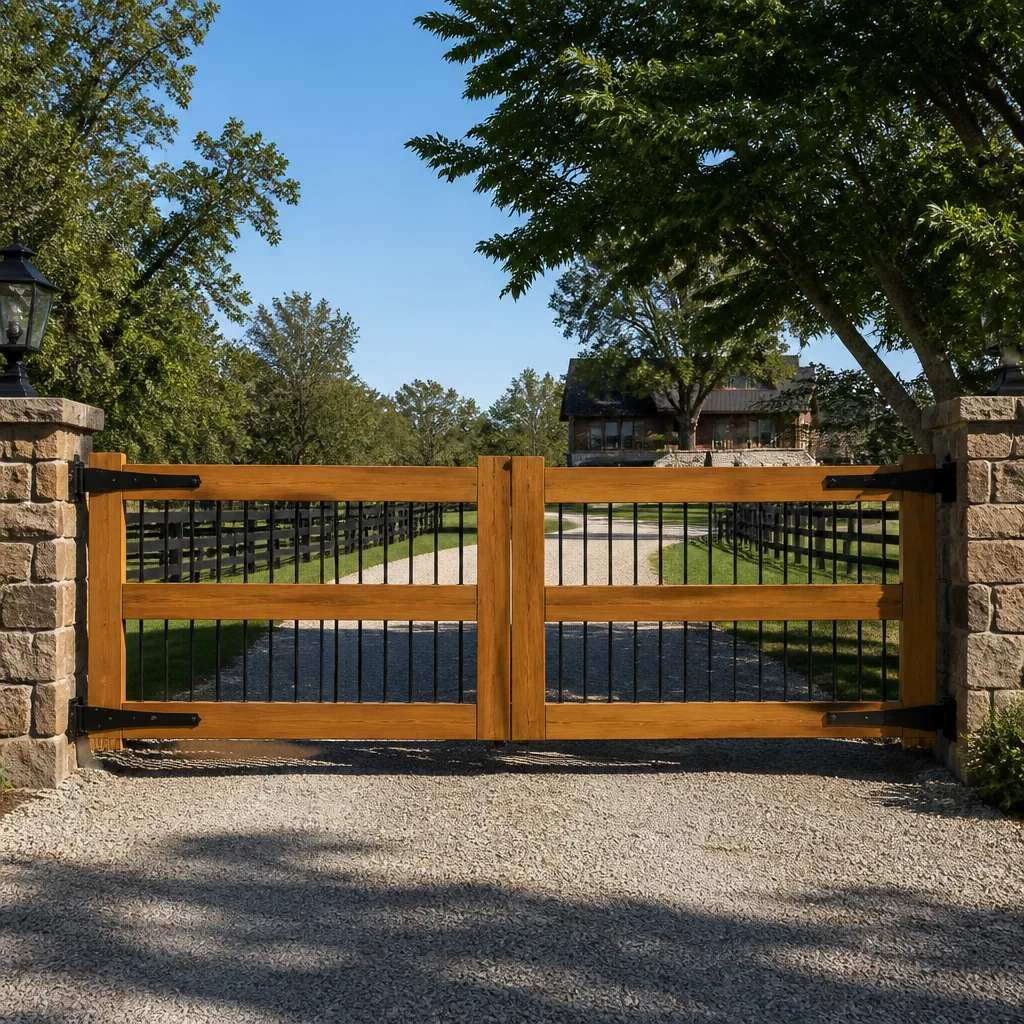
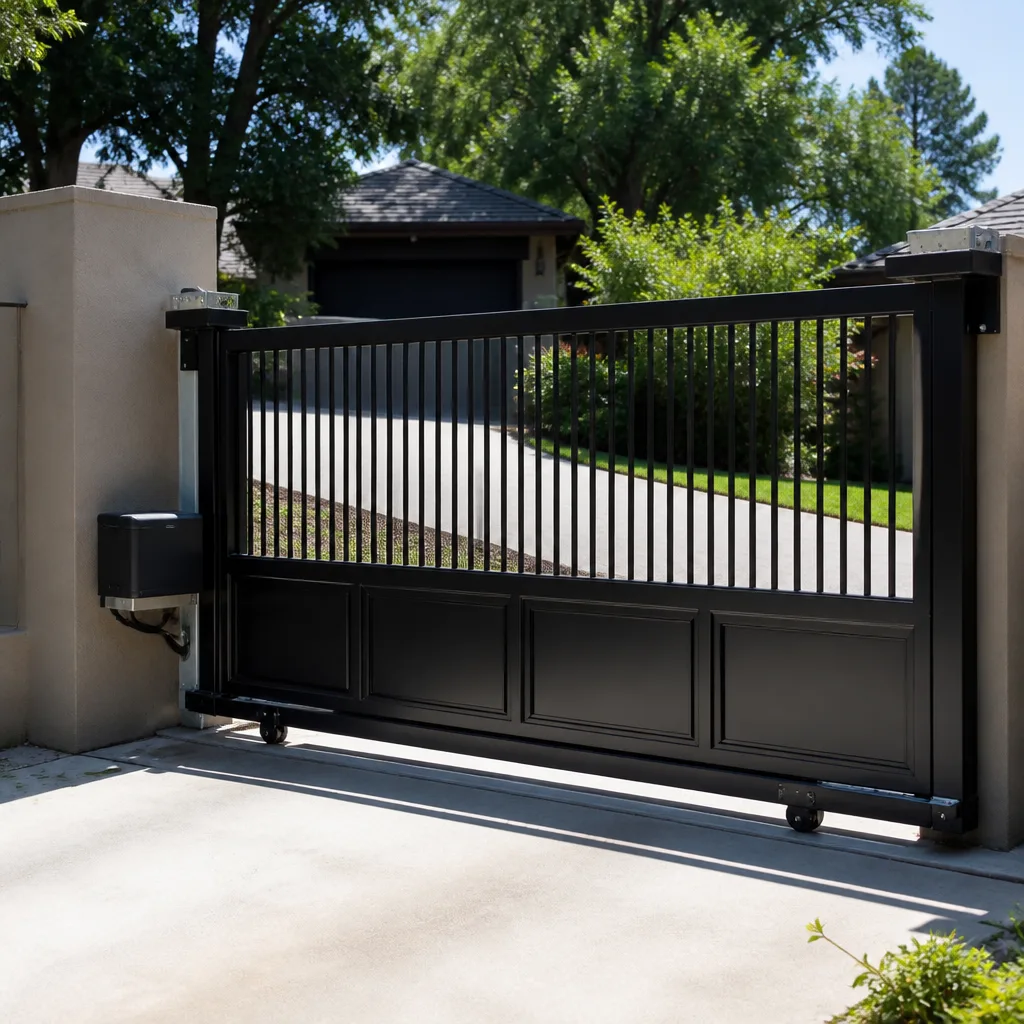
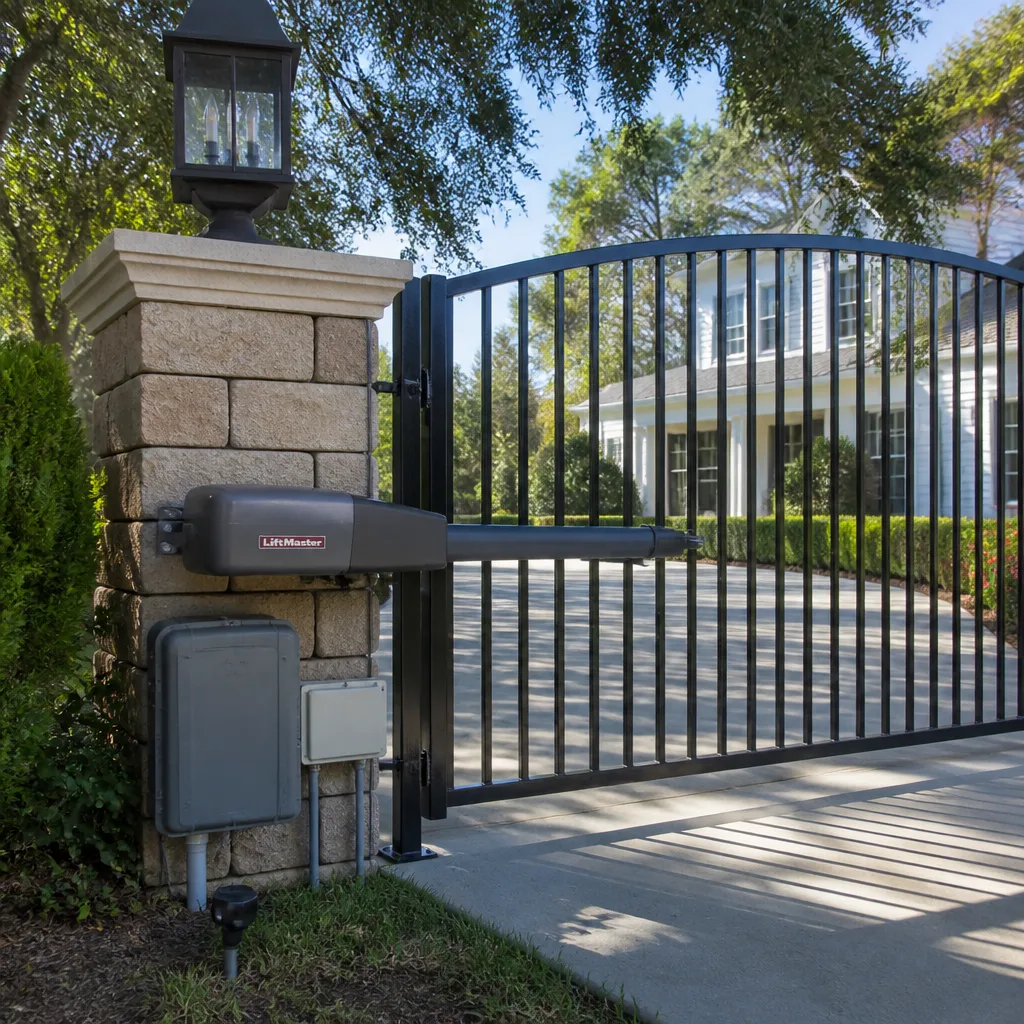
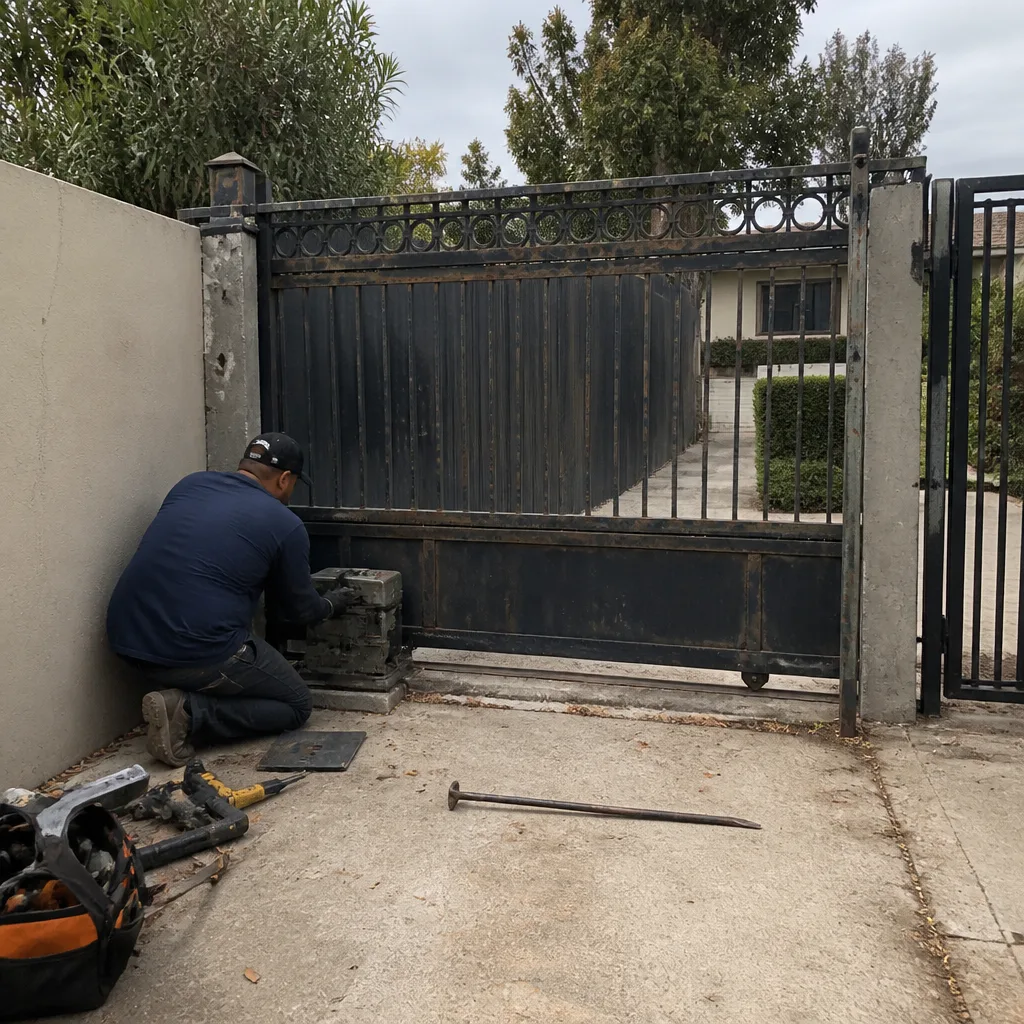 Before
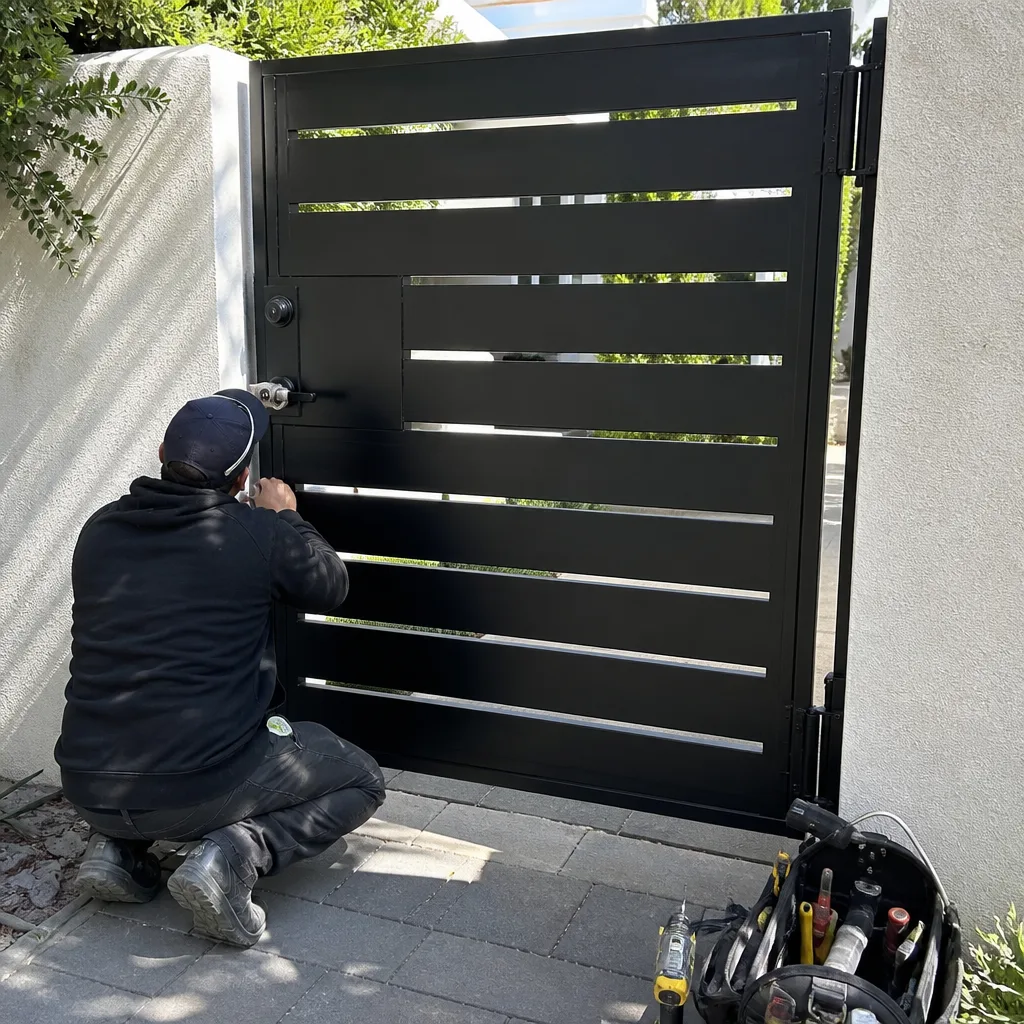 After
After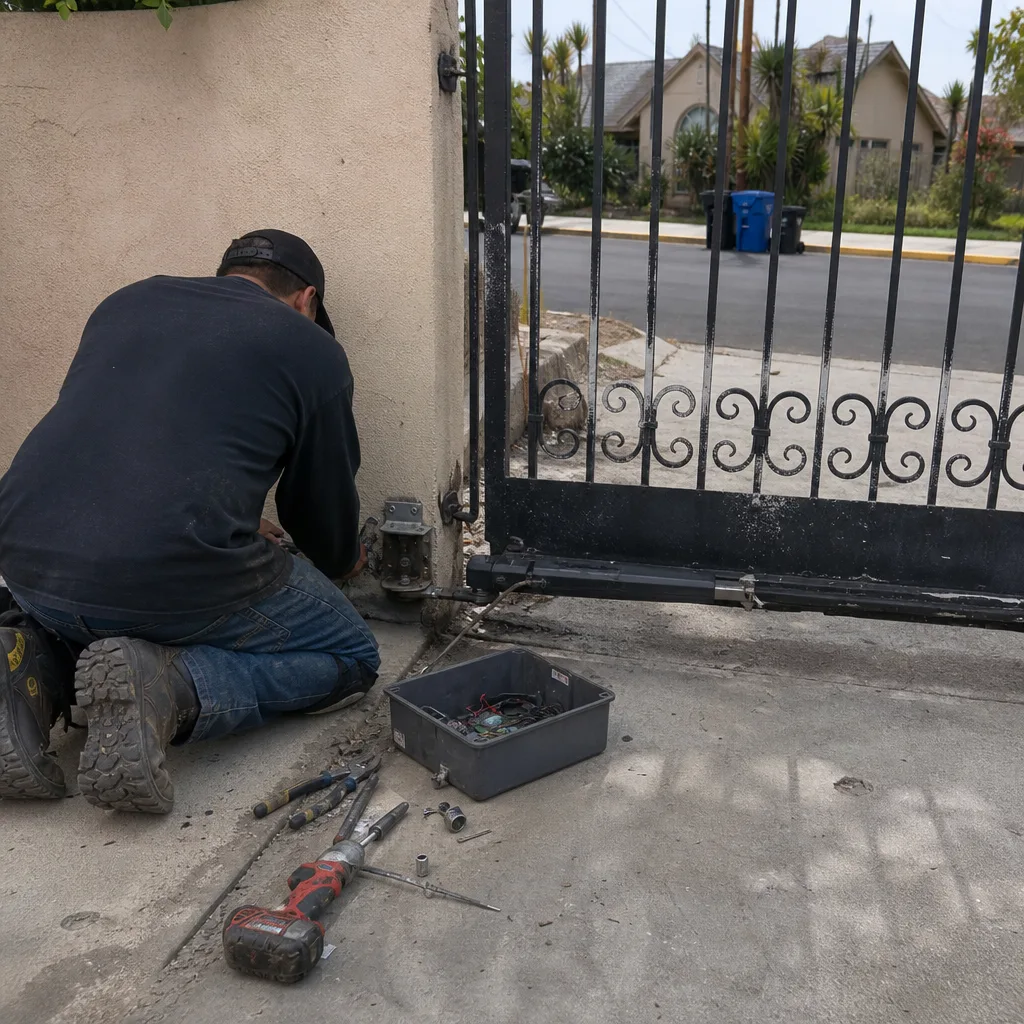 Before
 After
After Before
 After
AfterHow Long Does Gate Installation Take? Timelines and What to Expect
A single-swing driveway gate can be hung in four hours, but the concrete footer it sits on needs 72 hours to cure before the latch is set. That detail, missing from most quotes, is why a “one-day install” becomes a three-week project. If you’re planning a gate on a Los Angeles property, you’re really planning four overlapping timelines: assessment, permits, materials, and concrete. This guide maps every phase so you can plan your calendar, not just your morning.
Quick Answer
Our Gate Installation services in Los Angeles typically take 1 to 3 weeks from signed contract to a fully operational gate. A manual single-swing gate on existing footers can be done in a day, while an automated slide gate with a new concrete track, permitting, and a backordered operator may take three to five weeks. The gate itself is often the fastest part; what stretches the timeline is everything that happens before the crew arrives.
Table of Contents
- The Four Phases of Gate Installation
- Phase 1: Site Assessment and the Written Quote
- Phase 2: Permits and Why Los Angeles Adds Time
- Phase 3: Materials and Operator Lead Times
- Phase 4: Concrete, Cure Time, and Commissioning
- Timeline by Gate Type: A Side-by-Side Comparison
- Substantial Completion vs. Full Commissioning
- Common Mistakes to Avoid
- When to Call a Professional
- Frequently Asked Questions
- The Bottom Line
The Four Phases of Gate Installation
Most homeowners think of gate installation as a single event, the day the truck shows up. In our experience across Los Angeles, it helps to think in four distinct phases instead. Each phase has its own clock, and some of them run at the same time. Others can’t start until the one before it finishes.
The site assessment is where we measure the opening, check what’s underground, and produce the written price. Materials lead time covers how long it takes the gate, the operator, and the hardware to arrive. Concrete cure time is the quiet clock, the 72-hour window that nobody sees on the quote. Final hardware commissioning is the testing phase, when loop detectors, remotes, intercoms, and safety edges get dialed in. Once you see these as separate pieces with separate durations, your whole project calendar gets clearer.
Phase 1: Site Assessment and the Written Quote
This phase runs one to three days in Los Angeles, depending on how quickly we can get a technician to your property. The site assessment is not a five-minute look at the existing gate. It involves measuring the opening width, checking the ground slope, locating underground utilities, and evaluating whether the existing footers can be reused or need to be poured fresh.
The written quote comes out of this visit. Under the Portcullis Gate Repair home standard, and the Kingswell Guarantee that binds every location, the price is put in writing before any work begins. That means the quote includes the gate itself, the operator if you’re automating, the concrete, the hardware, and the labor. No surprise line items show up later. In neighborhoods like Sherman Oaks or Pasadena, where property lines and easements get tight, the assessment also flags access issues that could add a day or two to the timeline.
This is also when we identify whether your project needs a pull permit. If you’re replacing a gate on existing footers with a like-for-like unit, you usually skip that step. If you’re adding an automated operator or pouring new footers, the timeline conversation changes.
Phase 2: Permits and Why Los Angeles Adds Time
Not every gate job requires a permit, but automated gates in Los Angeles frequently do. The rule of thumb: if you’re adding an operator to a gate that didn’t have one, or if you’re pouring new concrete footers, plan for the permit process. In the city of Los Angeles proper, a pull permit for a new gate can add 5 to 15 business days, depending on the planning department’s current backlog. Some municipalities, including Beverly Hills and Culver City, have their own review processes and their own clocks.
Here’s what that means practically. A homeowner in Culver City ordering an automated slide gate should expect the permit to take longer than the gate fabrication. A homeowner in an unincorporated part of Los Angeles County may face a different set of requirements altogether. This is not red tape for its own sake. The permit process checks that the gate won’t block a public right-of-way, that the operator’s force settings comply with UL 325 safety standards, and that the installation won’t interfere with utilities. When you work with a company that handles gate installation in Los Angeles regularly, the permit paperwork moves faster because the plans are already in the format the building department expects.
Phase 3: Materials and Operator Lead Times
This is the phase that surprises people most. The gate itself, if it’s a custom steel or aluminum fabrication, takes 2 to 4 weeks to build. But the operator, the motorized unit that opens and closes the gate, can take even longer. Commercial-grade operators from brands like LiftMaster or FAAC have been known to sit on backorder for 4 to 8 weeks during supply-chain crunches. A homeowner who picks a specific DoorKing or Viking operator, one rated for heavy residential use, may find the entire project waiting on that single component.
We’ve seen this often enough in Los Angeles that we now check operator availability before we order the gate. If the operator you want is backordered, we’ll tell you during the quote phase, not mid-project. In some cases, a comparable operator from Linear or Ghost Controls is available faster, and we’ll present that option with the honest tradeoff: the installed price changes, but the wait shrinks. The Kingswell Guarantee applies either way, the written price and the written warranty go on every invoice, and the 365-Day Done Right Promise means if the operator fails inside a year, we come back and fix it at no charge.
Phase 4: Concrete, Cure Time, and Commissioning
Concrete is the quiet clock. When we pour new footers for a gate post, or a new track bed for a slide gate, the concrete needs time to reach sufficient strength before the gate can be set on it. We hold to a 72-hour minimum cure time before any gate hardware is mounted. Some crews try to rush this and set a gate at the 48-hour mark. That’s how you get a post that leans six months later and a gate that drags on the driveway.
In Los Angeles, the climate works in our favor during most of the year. Warm, dry weather speeds up the initial set, but we still don’t cut the cure window short. In the cooler, damp months, we may extend it. Once the concrete has cured, the hardware commissioning begins. This is where the operator’s force settings get adjusted, the safety edges get tested, the remotes get programmed, and the loop detector, if you have one, gets tuned to the specific vehicle that will sit on it. At a property in Hancock Park, this is also where we test the intercom, the keypad, and any integration with a home automation system.
Timeline by Gate Type: A Side-by-Side Comparison
The timeline depends heavily on what kind of gate you’re installing. Here’s a realistic side-by-side for three common Los Angeles scenarios.
| Scenario | Assessment & Quote | Permits | Materials | Concrete & Cure | Install & Commission | Total |
|---|---|---|---|---|---|---|
| Single swing, manual, existing footers | 1-2 days | Usually not required | 1-2 weeks if custom | None | 1 day | 1-2 weeks |
| Dual swing, automated, new footers | 1-2 days | 5-15 business days | 2-4 weeks (operator may add time) | 3-5 days | 1-2 days | 3-6 weeks |
| Slide gate, automated, new track | 1-2 days | 5-15 business days | 3-5 weeks (track + operator) | 3-7 days | 2-3 days | 4-8 weeks |
These are honest ranges, not marketing numbers. A dual swing automated gate in Los Angeles can absolutely stretch past the six-week mark if the operator you selected is on backorder. That’s not a failure of planning; it’s the reality of a global supply chain. What matters is that you know it before you sign, which is why we check operator availability at the quote stage.
Substantial Completion vs. Full Commissioning
There’s a difference between a gate that swings and a gate installation that’s finished. The industry term for that middle state is “substantial completion.” It means the gate hangs, the operator runs, and the property is secured. What it doesn’t mean is that every feature has been tested and handed off.
Full commissioning is the final phase, and it’s where the details live. The loop detector gets tuned so the gate opens when your car pulls up but not when a neighbor’s dog trots past. The safety edges get tested at multiple points along the closing path. The remotes get programmed and numbered. The intercom, if you have one, gets tested with a call to your phone. The keypad code gets set and tested. At a home in Los Feliz with a steep driveway, this is also when we verify that the gate’s speed settings are appropriate for the slope, so the gate doesn’t slam or stall.
We schedule full commissioning as its own step, usually a half-day, and we don’t consider the job complete until it’s done. The written Kingswell Guarantee covers the entire installation, and the 365-Day Done Right Promise starts on the day we hand you the remotes, not the day we hang the gate.
Common Mistakes to Avoid
- Ordering the operator last. The operator is the component most likely to be backordered, especially for heavyweight automatic gates. Check availability before you sign anything. We do this at the quote stage for every automated install in Los Angeles.
- Rushing the concrete cure. Setting a gate on footers that have only cured for 48 hours is how posts lean and gates start scraping the driveway within a year. Hold to a 72-hour minimum. We do.
- Forgetting the permit. Assuming a gate project needs no permit because it’s on your property is a common and costly error. In cities like Beverly Hills, Culver City, and Santa Monica, automated gates frequently require a permit, and starting without one can trigger a stop-work order.
- Measuring the opening only once. Gate openings are rarely perfectly square. If the measurement doesn’t account for the slope of the driveway or the taper of the opening, the gate won’t hang right. That’s what the site assessment is for.
- Choosing an operator that’s under-rated for the gate. A light-duty operator on a heavy steel gate burns out in months. The operator’s duty rating has to match the gate’s weight and cycle count. We match the operator to the specific gate and the specific driveway.
- Ignoring the safety loop. An automated gate without a properly tuned safety loop is a liability. The loop detector is what stops the gate from closing on a car, a kid, or a package delivery. It’s not optional, and it’s part of full commissioning.
When to Call a Professional
Gate installation is not a weekend project when it involves concrete, high-voltage operator wiring, or a gate heavy enough to hurt someone. If you’re installing an automated gate, the operator’s force settings need to be adjusted to meet UL 325 safety standards, and the safety edges need to be tested under load. If you’re replacing a slide gate, the track has to be perfectly level and the concrete bed has to be right. If you’re in Los Angeles and you want a written price, a written guarantee, and a real arrival window, learn How to Hire a Gate Repair Contractor in Los Angeles: A Step-by-Step Guide or call Portcullis Gate Repair for a free estimate. Call (940) 412-7340 and you’ll reach a live person, any hour, any day.
Frequently Asked Questions
A manual single-swing gate on existing footers can be installed in one day, while a fully automated slide gate with new concrete and permitting takes three to eight weeks. The gate itself is usually the quickest part; permitting, materials lead time, and concrete cure time drive the calendar. Call (940) 412-7340 for a timeline specific to your property, and we’ll put it in writing. You can also browse our more guides & resources for additional planning help.
Automated gates and new concrete footers often require a permit in Los Angeles, and the review takes 5 to 15 business days in many municipalities. Cities like Beverly Hills and Culver City run their own faster or slower clocks. If you’re replacing like for like on existing footers, you usually skip the permit. We handle the permit process as part of the installation.
We require a 72-hour minimum cure time before mounting any gate hardware on new footers or a new track bed. Some crews set gates at 48 hours, but that’s how you get leaning posts and dragging gates. The Los Angeles climate speeds the initial set, but we still hold to the full 72 hours every time.
Substantial completion means the gate hangs and the operator runs. Full commissioning means every detail, loop detectors, safety edges, remotes, keypads, intercoms, has been tested and handed off. We schedule commissioning as its own half-day step and the 365-Day Done Right Promise starts at handoff, not before.
When a gate installation in Los Angeles runs long, it’s almost always the operator, the motorized unit that opens and closes the gate. Commercial-grade units from brands like LiftMaster, FAAC, and DoorKing have gone on backorder for four to eight weeks. We check operator availability before we order the gate so you know the real timeline up front.
Usually, yes. We can retrofit an operator onto a properly built manual gate, though the gate’s weight, hinges, and posts have to support the added forces. The operator and the safety edges are the same components we install on a new electric gate repair in Los Angeles project. Call (940) 412-7340 for a written quote on the retrofit, and we’ll tell you whether your existing gate is a good candidate.
The Bottom Line
A gate installation in Los Angeles is a calendar project, not a one-day appointment. The hole gets dug and the gate gets hung in a day or two, but the real timeline is made of permits, concrete cure time, and operator lead times. Plan for one to three weeks on a simple manual gate and three to eight weeks on an automated slide gate. Get the price in writing before a single bolt is turned. Get the guarantee in writing, too. If you’d like a timeline for your specific gate, call (940) 412-7340. We’ll walk the property, check the operator availability, and hand you a written plan with real dates on it. No surprises, no no-shows, no gate that drags six months later. That’s the Kingswell Way, and it’s how we’ve handled gate repair in Los Angeles since 2008.
Written by Dean Prescott, Owner at Portcullis Gate Repair, serving Los Angeles since 2008.