
Last updated October 8, 2026
Free on-site gate assessment - hinges, posts, and your LiftMaster or Nice gate operator checked before anything is quoted
The assessment is free and the quote is the invoice.
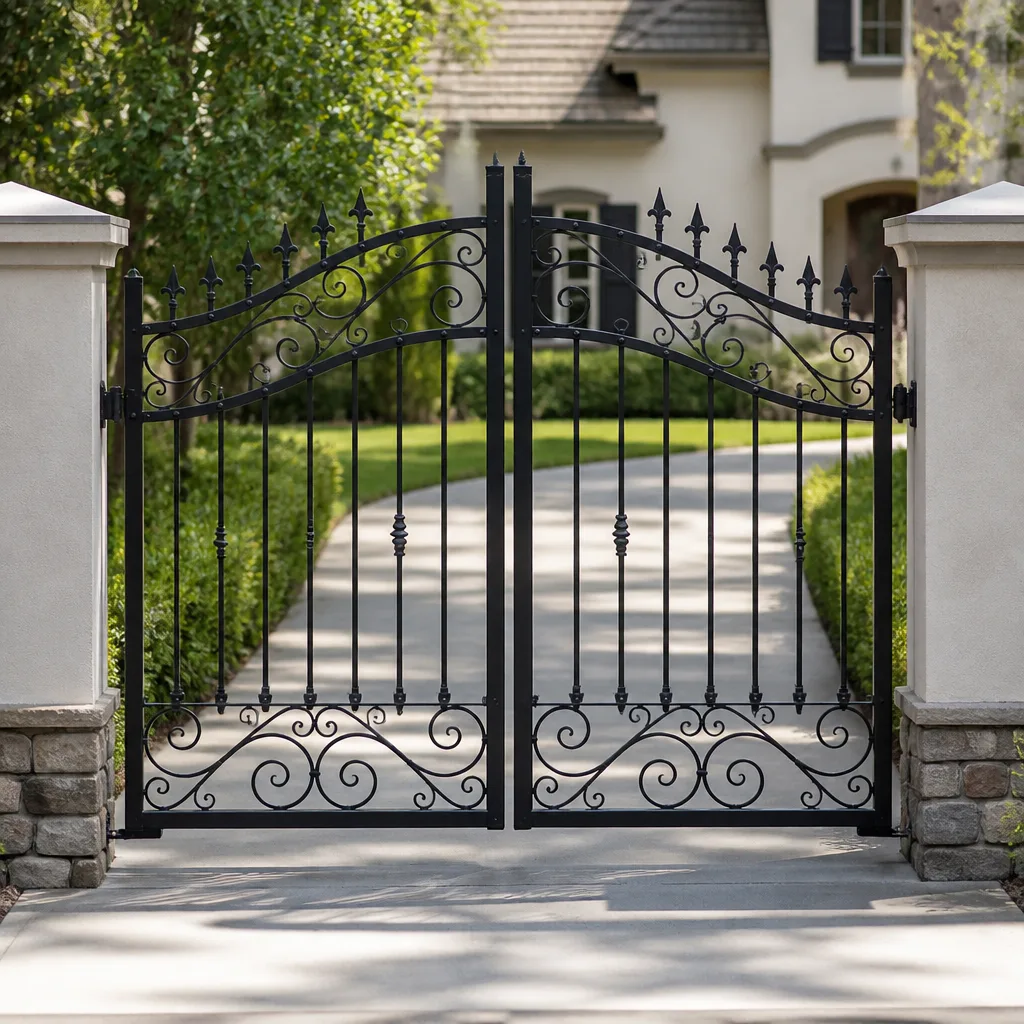
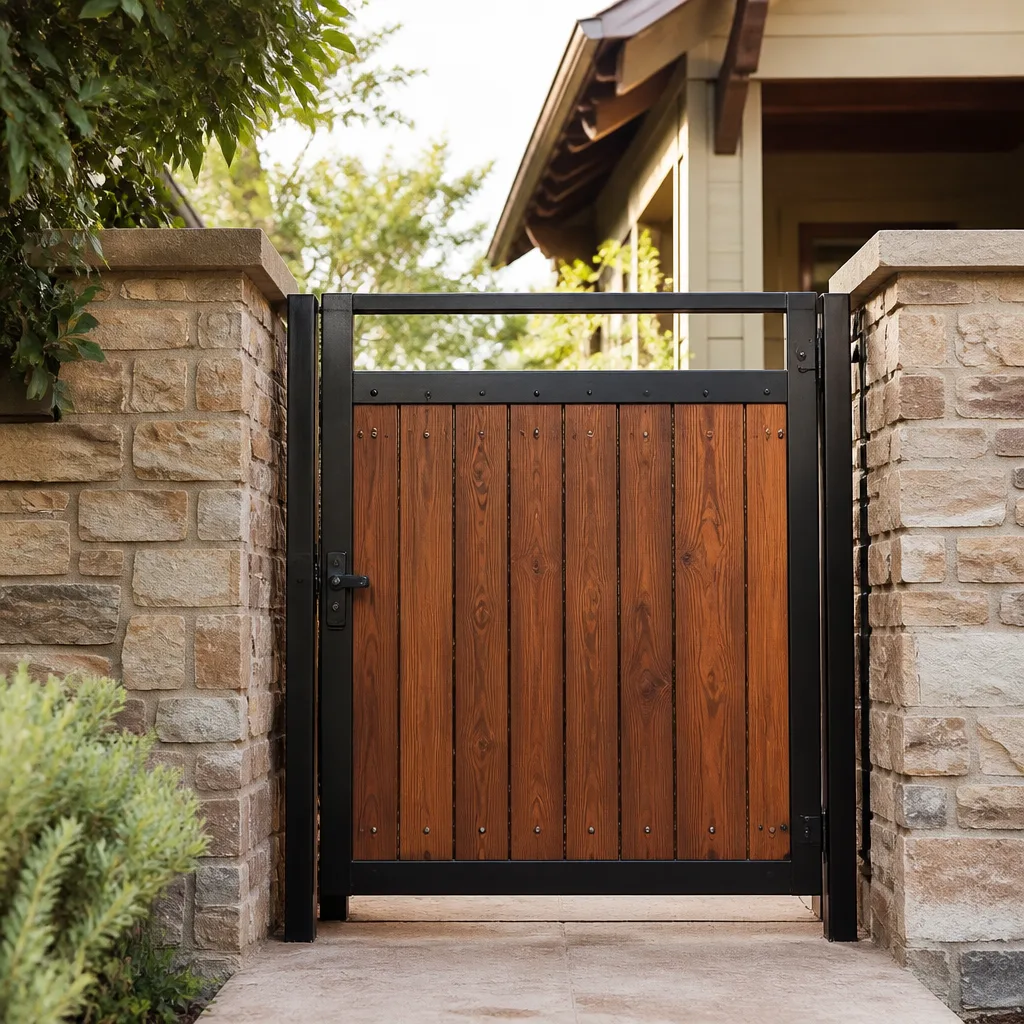
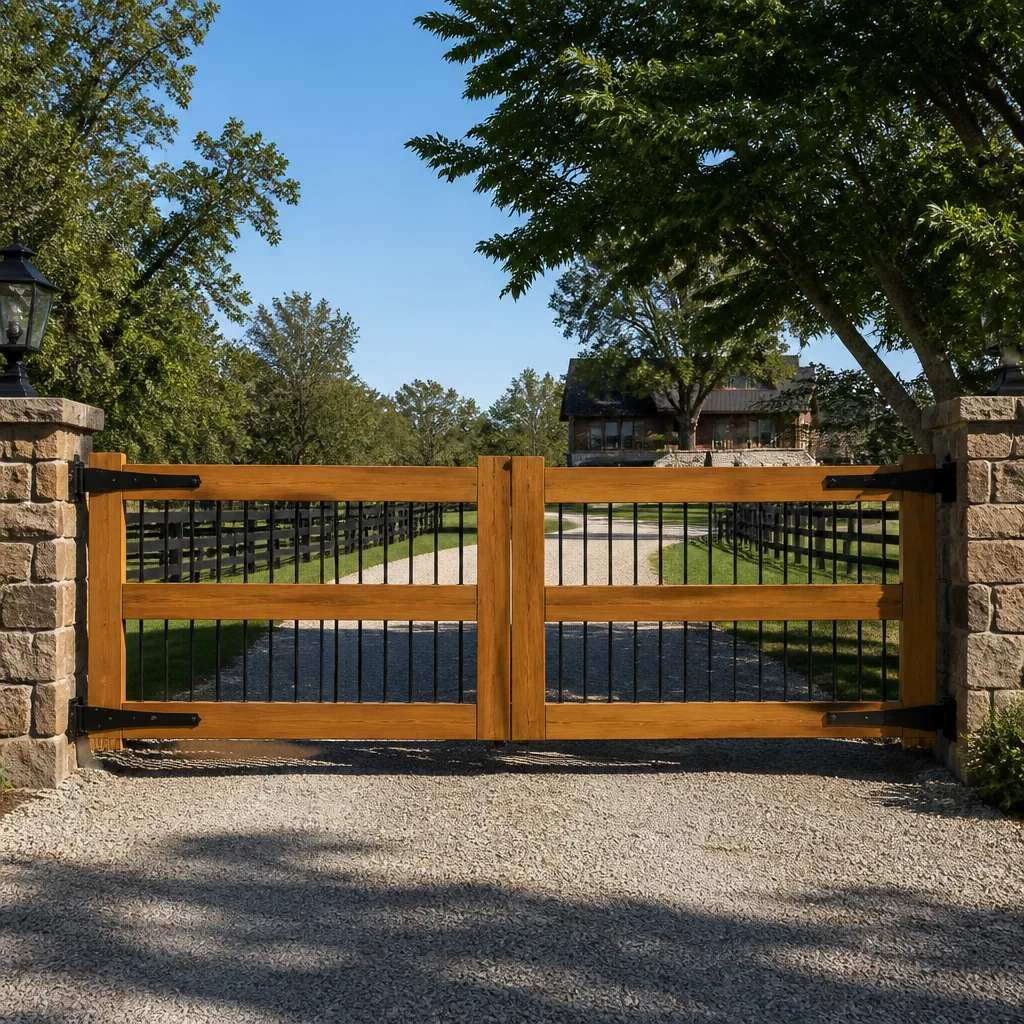
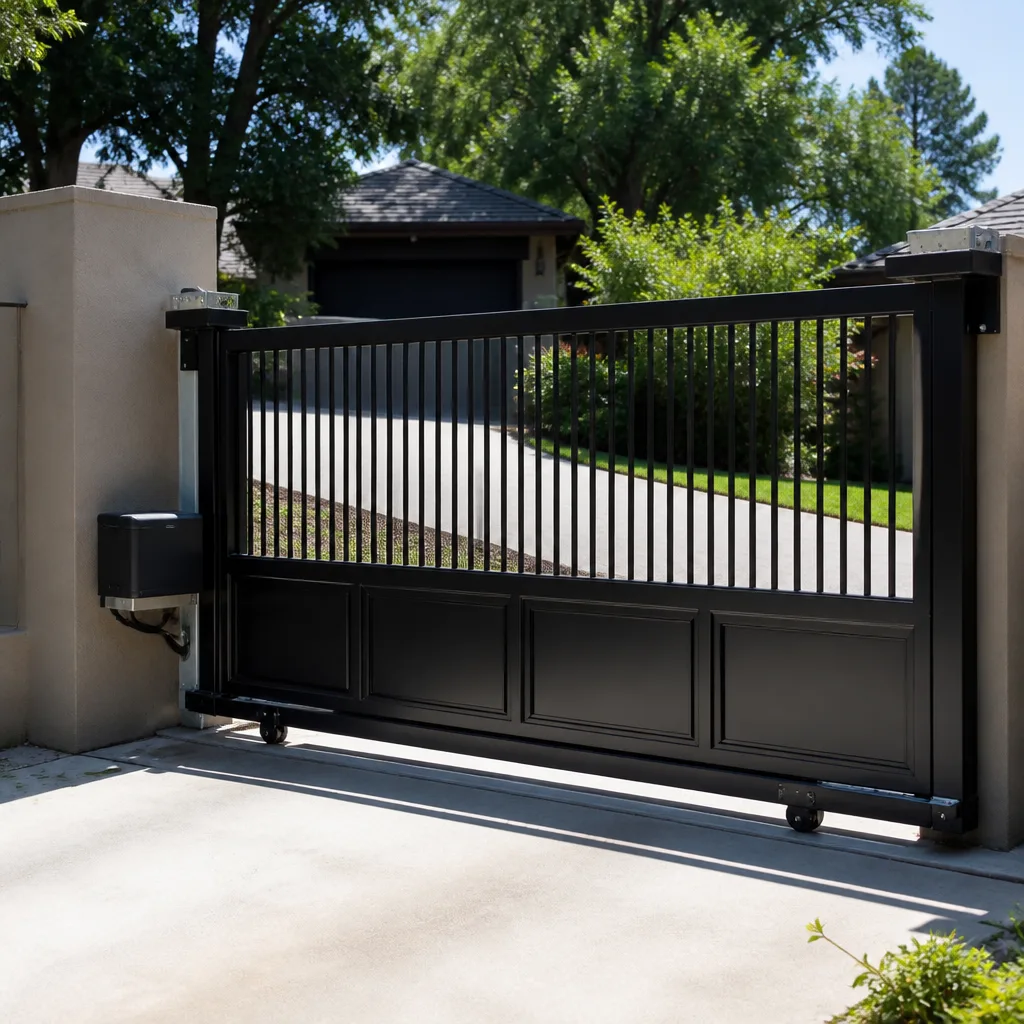
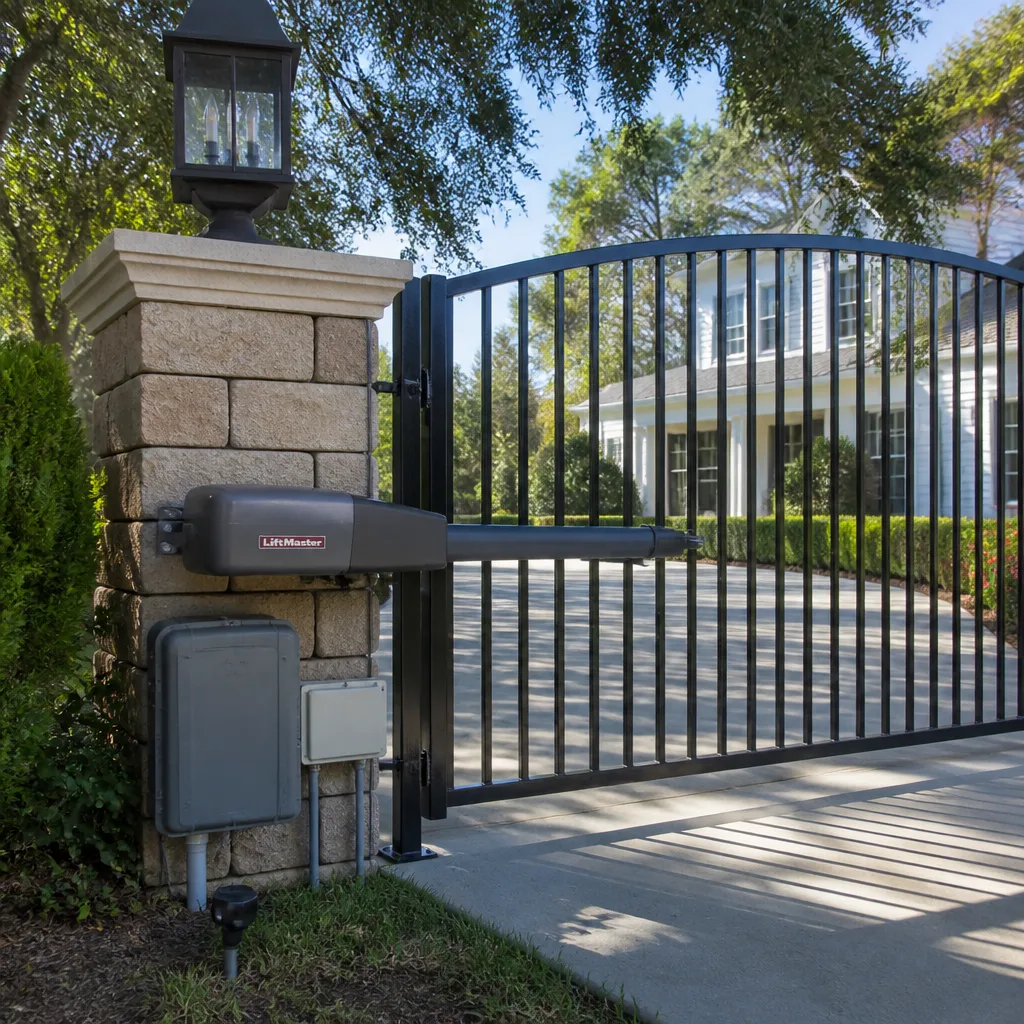
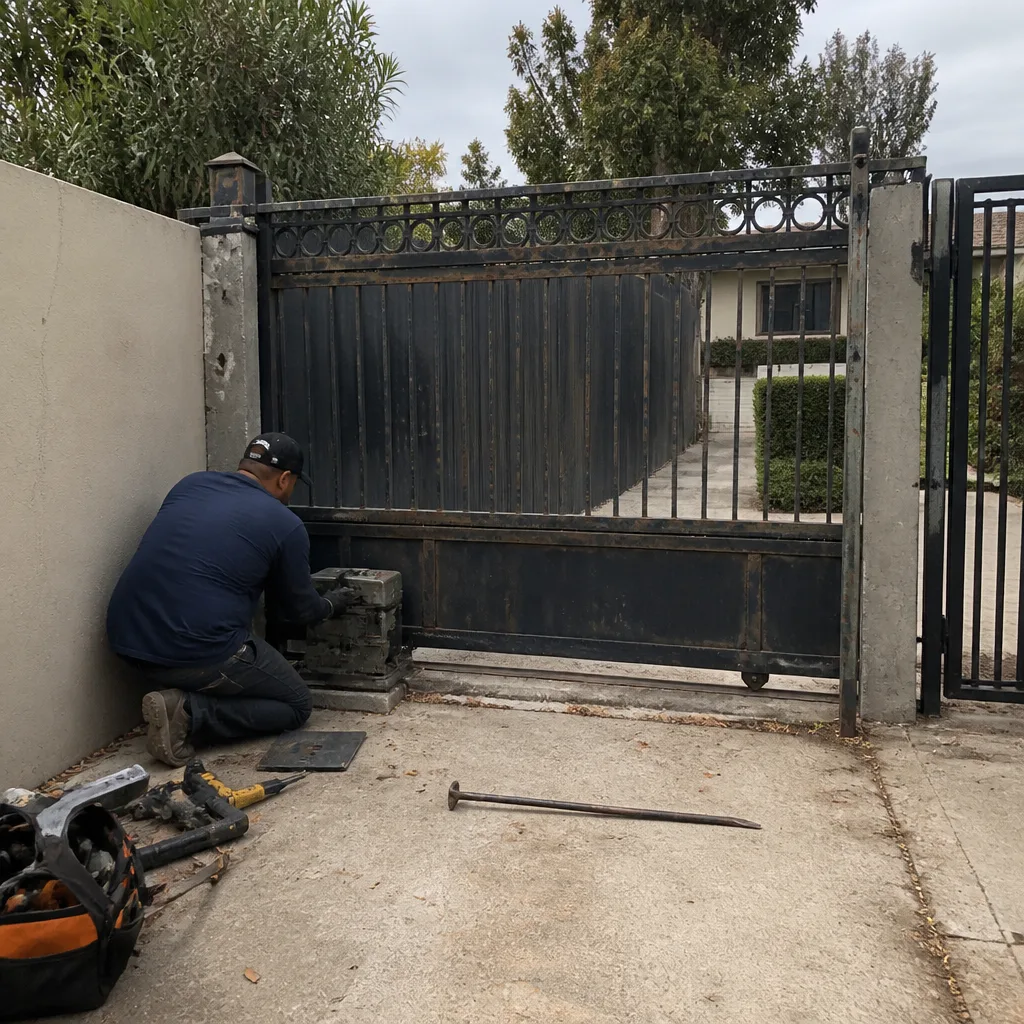 Before
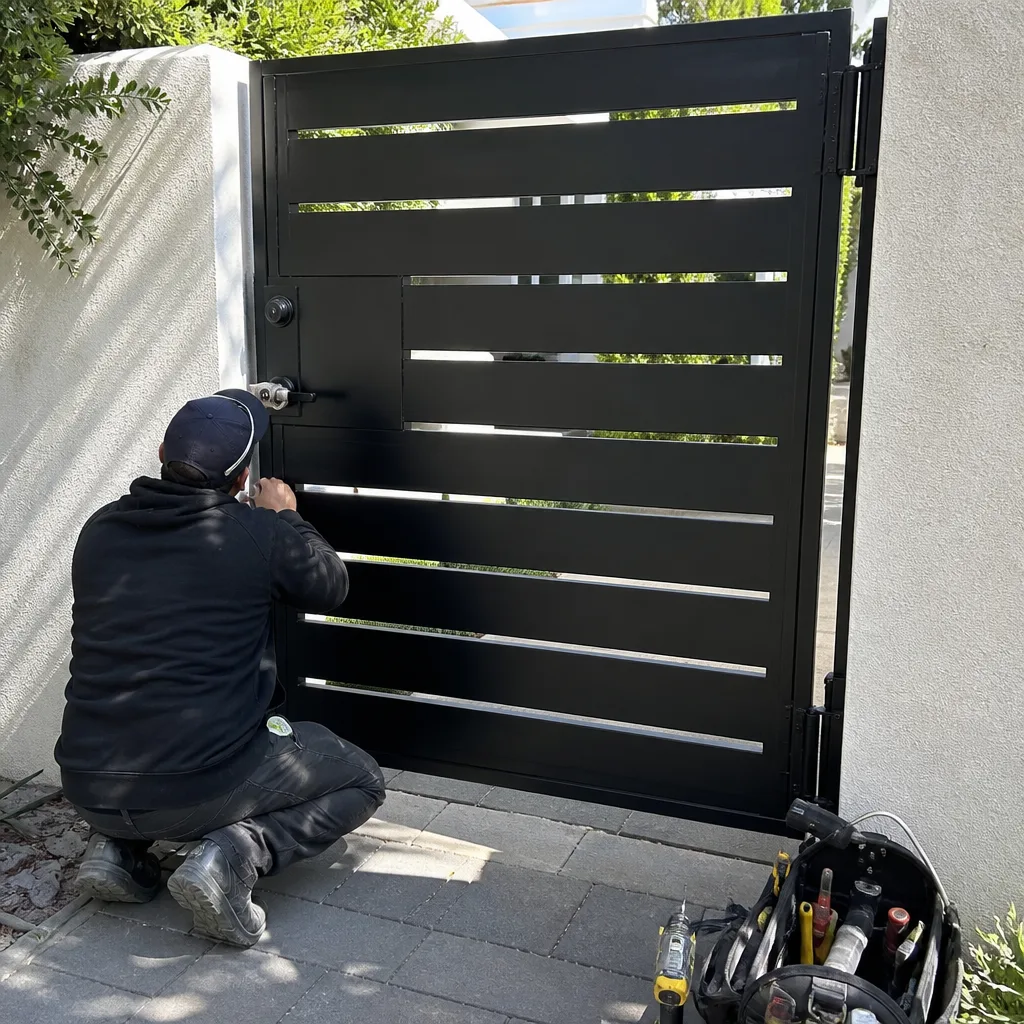 After
After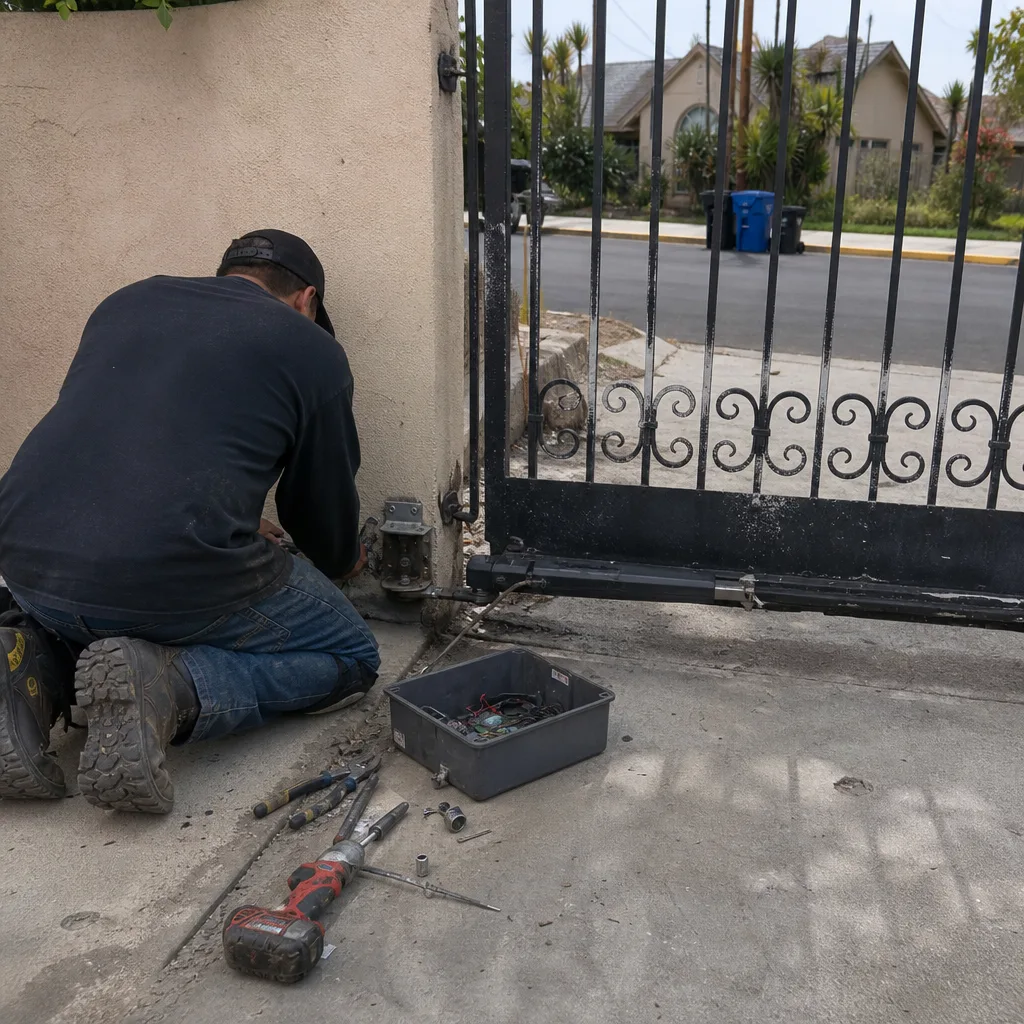 Before
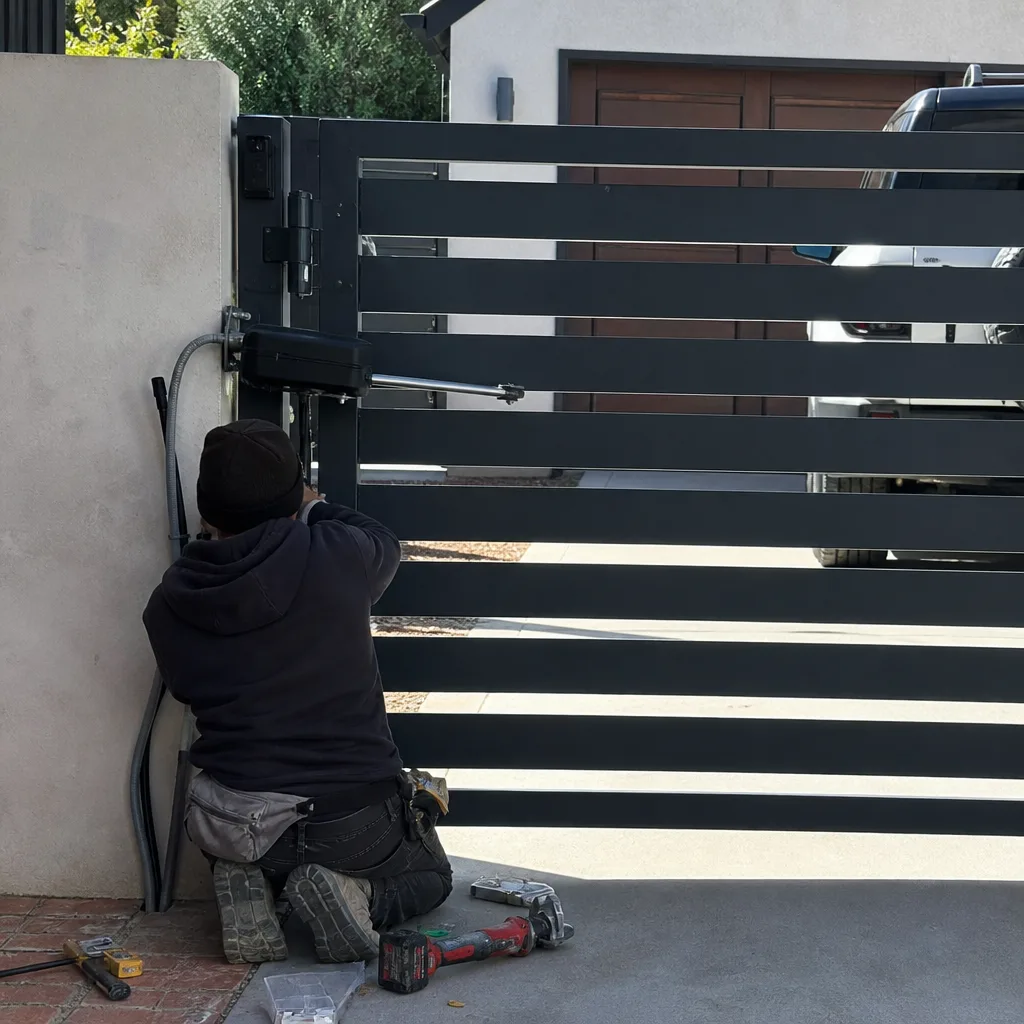 After
After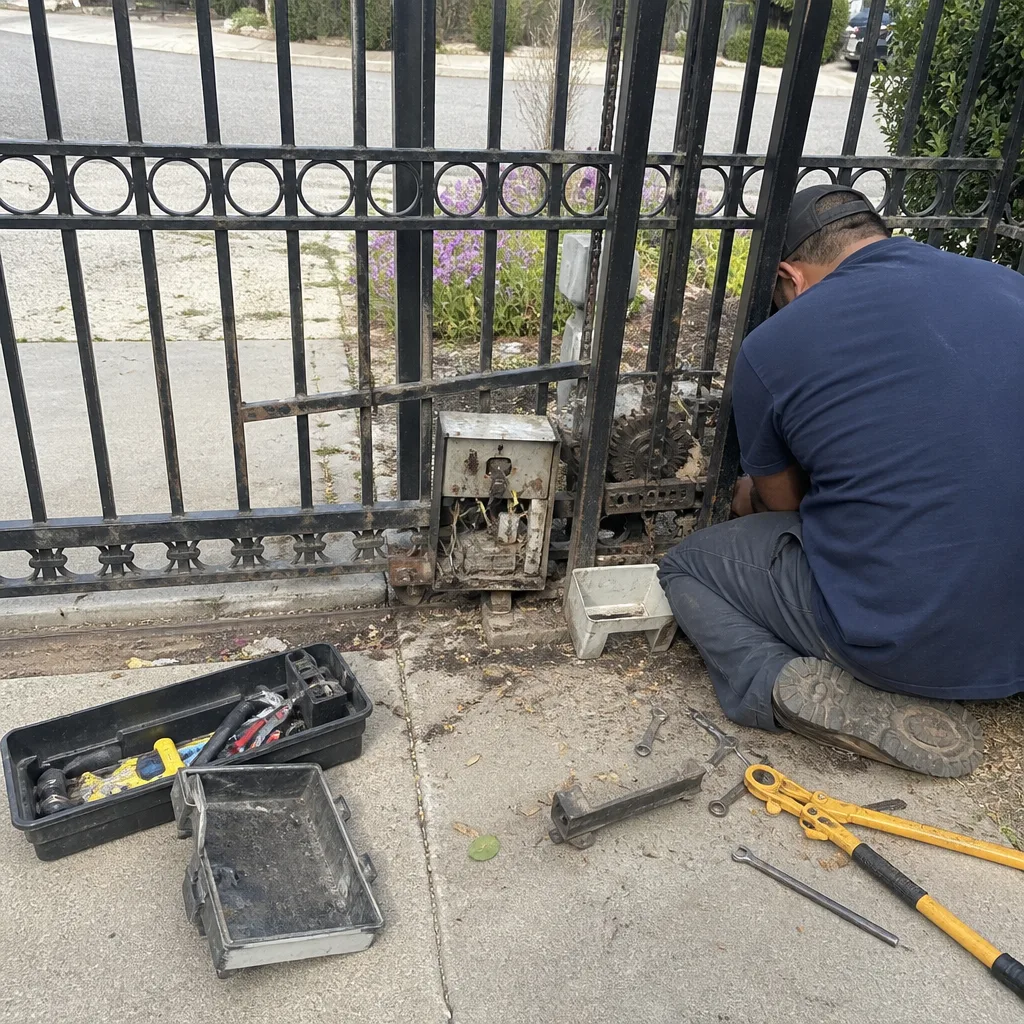 Before
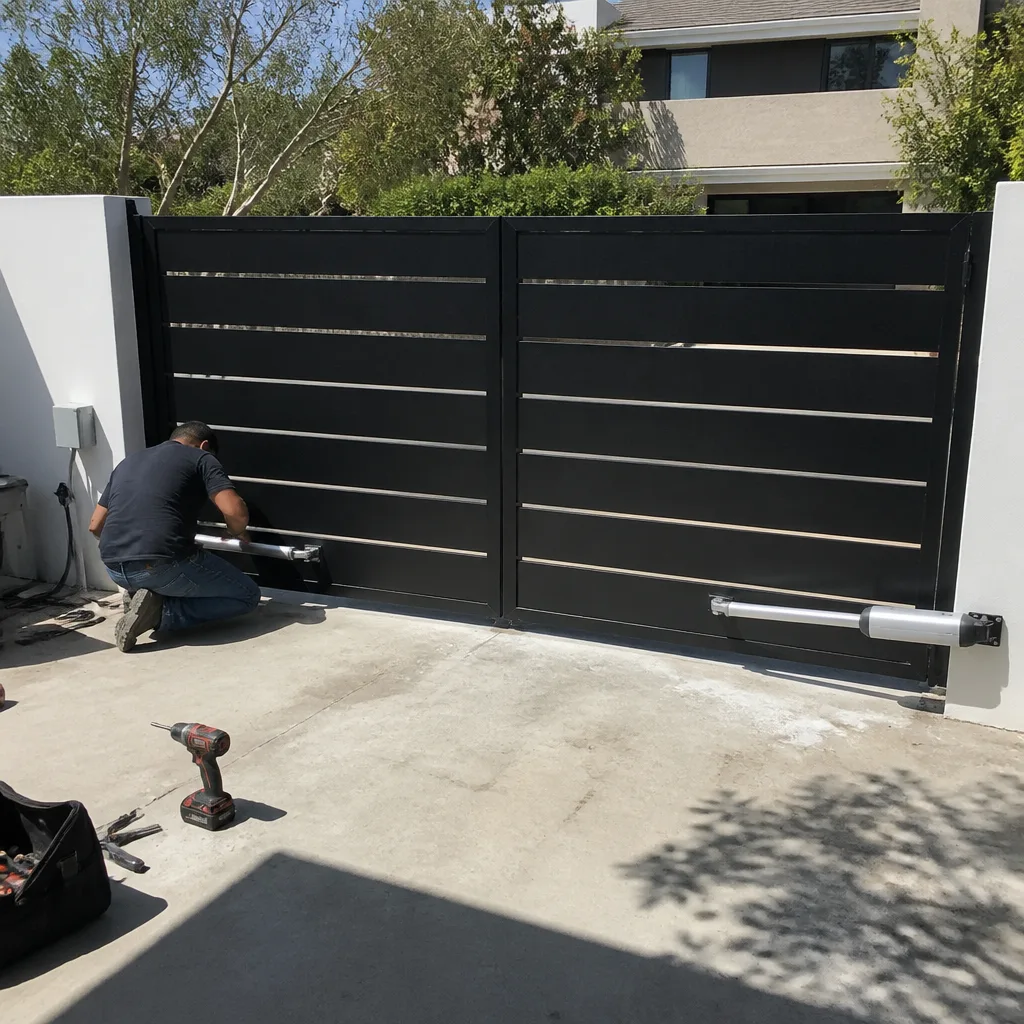 After
AfterGate Repair Maintenance Schedule: What to Do and When
Lubricating a chain-drive operator every six months is the right call in Pasadena. In Marina del Rey, the same chain needs attention every 90 days or corrosion sets in between service visits, and nobody tells you that upfront. That gap between generic advice and what your gate actually needs is where most maintenance schedules fail. This guide fixes that. You’ll learn how to build a maintenance calendar around your gate’s material, its drive type, and the specific Los Angeles climate zone your property sits in, so you’re not just following a checklist but following the right one for your gate.
Quick Answer
A practical gate maintenance schedule splits into monthly visual checks, quarterly cleaning and lubrication, and twice-yearly professional inspections, with material-specific tasks timed to your Los Angeles climate zone. Coastal properties need corrosion-focused care every 90 days, inland valley properties need heat and dust attention, and hillside properties need wind-load and clearance checks. Most gates fail from neglect in one of four areas: hinges, actuators, safety sensors, and ground tracks.
Table of Contents
- Why Your LA Climate Zone Dictates the Schedule
- The Four Components Behind 80% of Gate Failures
- Monthly Maintenance: What Takes 10 Minutes
- Quarterly Maintenance: The 90-Day Cycle
- Seasonal and Material-Specific Tasks
- How to Log Maintenance for Warranty and Resale
- When a Professional Inspection Is Non-Negotiable
- Frequently Asked Questions
Why Your LA Climate Zone Dictates the Schedule
Los Angeles is not one climate. It’s at least three distinct microclimates, and each one punishes a gate differently. A maintenance schedule that treats Malibu and Van Nuys the same way will miss the exact failure that’s brewing on your property.
Coastal Los Angeles (Marina del Rey, Playa del Rey, San Pedro, Long Beach, Pacific Palisades)
Salt-laden air and consistent marine moisture mean corrosion is the primary enemy. Steel hinges and chain drives oxidize faster here than anywhere else in the region. We’ve seen powder-coated gates in Santa Monica show rust blooms along weld seams within 18 months of installation when the coating was scored during installation and never touched up. In our experience, coastal gates need hinge lubrication and corrosion inspection every 90 days, not the six-month interval a generic schedule suggests, and our Gate Repair services can handle both. Stainless steel hardware is worth the upgrade on any coastal property, and if your gate has mild steel fasteners anywhere, replace them before they seize.
Inland Valley (Van Nuys, Northridge, Woodland Hills, Burbank, Glendale)
Heat is the stressor here. Summer temperatures routinely exceed 95°F in the San Fernando Valley, and that thermal expansion and contraction works on circuit boards, solder joints, and plastic gear components inside operators. Dust also accumulates faster in valley air, fouling limit switches and coating optical safety sensors. In our experience, inland gates need their operator interiors blown clean with compressed air twice a year and their safety sensor lenses wiped monthly. The dust that settles in Burbank is fine enough to block an infrared beam even when you can’t see it with the naked eye.
Hillside and Canyon Properties (Topanga, Laurel Canyon, Mount Washington, Baldwin Hills)
Wind and shifting soil define this zone. Gates on sloped driveways carry more rotational stress because the gate’s own weight is fighting level ground that isn’t actually level. Hinge bolts work loose. Cantilever slide gates drift off their track rails. We’ve also seen canyon properties deal with more leaf and debris accumulation in ground tracks, especially after Santa Ana wind events. These properties need bolt tension checks every quarter and a post-wind inspection whenever gusts exceed 40 mph. A gate that still opens after a windstorm might have loosened something that will fail two months later when you’re not looking.
The Four Components Behind 80% of Gate Failures
If you only pay attention to four things, make it these. From our Los Angeles service records, these four components account for the overwhelming majority of gate failures we’re called out to repair:
- Hinges and pivot points. Bearing wear, bolt loosening, and corrosion. A hinge that looks fine from six feet away can have an eighth-inch of play that turns into a sagging gate and a burned-out actuator within a year. Check for lateral movement by pushing the gate gently side to side: if it moves more than a quarter-inch, schedule a closer look.
- The actuator. That’s the motorized arm or cylinder that physically pushes and pulls the gate open. Internal gears wear, capacitors fail, and limit switches drift. In our experience, swing-gate actuator swaps on Los Angeles properties typically run $450 to $900 parts and labor depending on brand and gate weight, which is far cheaper than replacing a gate that sheared off its mount because the actuator bound up.
- Safety sensors and edges. Photo eyes get dirty or misaligned. Safety edges, the pressure-sensitive strips that stop the gate if it hits something, crack and lose sensitivity. These are not optional components to ignore. A gate that reverses when it shouldn’t is a liability, and a gate that doesn’t reverse when it should is a lawsuit. Test them monthly.
- Ground tracks and rollers. Slide gates depend on a clean track and rollers that roll, not slide. Rocks, leaves, and dirt in the track cause the gate to chatter and strain the operator. Coastal salt also attacks the rollers themselves. A track that’s regularly cleaned buys years of service life from the operator.
Monthly Maintenance: What Takes 10 Minutes
These are the walk-around tasks that catch problems early, before they become emergencies. Doing them monthly is not excessive. It’s the difference between noticing a hairline crack in a weld and finding your gate folded over on a Tuesday morning.
Here’s the 10-minute monthly routine, in order:
- Visually inspect all welds and bolt points. Walk the full perimeter of the gate and the posts. Look for cracks in welds, rust bloom around bolt heads, and any flaking in the coating or paint. In Los Angeles, welds on the bottom rail fail first because debris and moisture collect there.
- Test the safety reversal. Place a 2×4 or a rolled welcome mat in the gate’s path and close the gate. It should reverse without applying excessive force. If it doesn’t reverse, or if it hesitates, call a professional. Do not disable the sensor to keep the gate working.
- Clear the ground track (if you have a slide gate). Use a broom, not a blower. A blower works loose the stones and leaves, but it also relocates them to the ends where the gate’s limit stops will eat them. Scoop and sweep.
- Wipe the photo eye lenses. A dry microfiber cloth, once a month. In valley locations, you may need to do this twice a month during summer. If the lenses are cloudy from sun damage, have them replaced.
- Listen for new noises. Operate the gate once and listen without talking over it. Grinding, clicking, or a change in pitch means a bearing is wearing or a gear is binding. Gates should be quiet enough to hear a conversation next to them.
Quarterly Maintenance: The 90-Day Cycle
Every three months, add these deeper tasks. Coastal properties in Los Angeles should treat this as the minimum, not a suggestion.
- Lubricate hinges, pivot points, and chains. Use a white lithium grease or a silicone-based lubricant, not WD-40. WD-40 is a solvent and will strip the lubricant that’s already there. Apply grease to hinges and a proper chain lube to chain drives every quarter, or every 90 days on coastal properties. Wipe off excess to prevent dust accumulation in valley locations.
- Tighten all accessible bolts and check for play. Use a torque wrench when possible and follow the manufacturer’s torque specs if you have them. If you don’t know the specs, hand-tighten plus a quarter turn is not enough - a professional should check. Loose hinge bolts are the top cause of sagging swing gates in Los Angeles.
- Inspect the operator’s internal condition. This is not a DIY task in the strictest sense, but a visual check of the housing is within reach. Is the casing sealed? Are there ant colonies inside? Southern California ant invasions into operator housings are more common than people think, and they corrode circuit boards. If you see dirt, dead insects, or corrosion staining around the operator’s seals, schedule a service visit.
- Check the battery backup, if you have one. Most Los Angeles gate operators with battery backup use sealed lead-acid batteries rated for three to five years. If yours is older than that, or if it no longer holds a charge through a brief power flicker, replace it before you need it.
Seasonal and Material-Specific Tasks
Your gate’s material and finish dictate its own maintenance calendar, independent of the operator. Here’s how that breaks down across the materials we see most often on Los Angeles properties.
Wrought Iron and Mild Steel
True wrought iron is rare on residential gates; most are mild steel. Plan to repaint or recoat every two to four years, depending on your climate zone. Coastal properties should expect the shorter end of that span. Inside that cycle, inspect for rust at all welded joints every season. Treat any rust bloom with a wire brush and cold-galvanizing spray the same week you find it. A small patch of rust on a Los Angeles gate turns into a structural problem in two to three wet seasons if left alone.
Powder-Coated Gates
Powder coat doesn’t fail by peeling like paint. It fails by micro-scoring and lifting at the edges, which lets moisture underneath. Inspect the coating’s edges and seam lines twice a year. When the powder coat is compromised, the gate needs professional touch-up, not a rattle can. If you’ve had the gate for more than a decade, factor in a full recoat or replace the worst panels proactively.
Wood Gates
Wood is the most demanding material in the Los Angeles climate. It moves with every humidity shift, and the sun’s UV exposure degrades the finish faster than most manufacturers admit. Re-seal or re-oil wood gates every 12 to 18 months, and if any stile or rail shows checking (cracks along the grain) wider than a dime, address it before the crack extends into the joint. In our experience, wood gates in Los Angeles last longest when they’re given a penetrating oil finish, not a film-forming polyurethane that cracks and traps moisture.
Aluminum Gates
Aluminum doesn’t rust, but it corrodes, especially at galvanic contact points where aluminum meets steel hardware. The white, powdery oxidation you see around bolt heads is the symptom. Isolate the metals with nylon washers, replace fasteners with stainless steel, and plan to replace all hardware on a 10-year cycle.
How to Log Maintenance for Warranty and Resale
Here’s the part almost nobody does: documenting what you did, when, and what you found. When a gate operator fails inside its warranty window, most manufacturers will ask for proof that routine maintenance was performed. “I checked it regularly” does not satisfy that request. A dated log does.
What to record after every maintenance session:
- Date and time of the inspection. Even a photo of your gate with a timestamp works.
- What you did. Be specific: “Lubricated both hinge points with white lithium grease. Wiped photo eye lenses. Tightened bolts on upper hinge (two full turns).”
- What you observed. Noise levels, play in the hinges, rust spots, dust accumulation, track debris.
- Parts and products used. Brand and type of lubricant, fastener replacements, battery swaps.
- Any professional service visits. Keep the written service record the technician provides. If a technician gives you only a verbal summary, ask for it in writing. In our experience, that’s a reasonable line to draw: if there’s no paper, there’s no record.
That written service record matters for more than warranty claims. When it’s time to sell the house, an organized maintenance log is a notable selling point for a Los Angeles property with an automated gate. It signals that the expensive, load-bearing iron door in the driveway was cared for, not ignored. If we service your gate, you get a written record as standard, printed and left with you, not emailed into a spam folder. You can also find more guides & resources on our site.
We also recommend photographing your gate from four fixed angles each season. It’s a quick habit that documents the gate’s cosmetic and structural condition over time, and it’s invaluable if an insurance claim or warranty dispute ever comes up.
When a Professional Inspection Is Non-Negotiable
Some tasks should be performed by a trained technician, full stop. High-tension springs on a counterweighted gate, for instance, carry enough stored energy to cause serious injury if they release unexpectedly. Neither this guide nor any DIY video should replace a professional inspection of spring assemblies, operator internals, or embedded safety sensors. At minimum, schedule a professional inspection twice a year, and do not attempt to open the operator housing yourself if the unit is still under warranty. See Gate Repair Permits, Codes & Inspections in CA: What You Need to Know for regulatory details. That warranty is a written contract, and breaking its seals breaks the contract in most cases.
Portcullis Gate Repair offers free estimates in Los Angeles, and our technicians arrive background-checked and in uniform, with the price in writing before any work starts. Call (940) 412-7340 if you suspect your gate’s spring, operator, or track needs more than a visual check. If we can tell you it’s fine over the phone, we will, and we won’t charge you for that conversation. Our Portcullis Gate Repair home team has been serving Los Angeles since 2008, and every repair carries the 365-Day Done Right Promise: if it fails inside that year, we come back and fix it at no charge.
Frequently Asked Questions
Every three months for most Los Angeles properties, or every 90 days if you’re within two miles of the coast. Marine moisture and salt air accelerate corrosion, and the added frequency is cheap insurance against a seized hinge. In inland valley locations, quarterly lubrication is the right balance since dust sticks to over-lubricated parts. Wipe off excess after application.
A professional maintenance visit includes a full mechanical inspection of hinges, actuator, safety sensors, and track, plus lubrication, bolt tightening, and a written service record. We also check the operator’s internals, test the safety reversal, and flag parts that are approaching the end of service life. You get a service record in writing, and the price is quoted and agreed before any work starts, not after the technician has disassembled the gate.
Yes, most gate operator warranties require proof of basic routine maintenance, and that’s not a technicality. Manufacturers know that grease and torque checks prevent the cascade failures they’d otherwise have to cover. Keep a dated log of what you did and when, and retain any professional service records. If a claim is filed and there’s no maintenance history, expect pushback.
We service nine major gate-operator brands: LiftMaster, FAAC, BFT, Linear, Viking, Ghost Controls, DoorKing, Elite, and Mighty Mule. That means the technician who arrives already knows the specific system on your property, not a generalist reading the manual in your driveway. If your operator is outside that list, we’ll tell you honestly and help you find the right specialist.
Basic professional maintenance on a Los Angeles residential gate typically runs $150 to $300 per visit depending on gate type, access, and whether you want a seasonal inspection on top of lubrication and adjustments. Repairs found during maintenance are quoted separately in writing before any work begins. Call (940) 412-7340 for a free estimate, and we’ll give you a number you can plan around.
Stop running the gate and check the basics first: clear the track, inspect the hinges for debris, and wipe the photo eyes. If the noise continues, call a professional. A grinding sound is almost always mechanical wear inside the operator’s gear train or a failing bearing, and every cycle from that point forward is making it worse. In urgent cases, we’ll talk you through a safe temporary shutdown, and our Los Angeles service team answers calls live 24/7.
The Bottom Line
A gate is a mechanical system, and mechanical systems respond to consistent attention. The schedule that matters is the one that matches your gate’s material, its drive type, and the climate zone you live in. Monthly checks, quarterly lubrication, seasonal material care, and twice-yearly professional inspections will catch most failures before they strand you outside your own driveway. Document everything, and don’t accept a verbal service record in place of a written one. If the job is beyond a visual check, Portcullis Gate Repair offers free estimates in Los Angeles at (940) 412-7340, and our Gate Repair in Los Angeles work is covered by the 365-Day Done Right Promise, with a written price before any work starts. Whether you need Gate Installation in Los Angeles or Electric Gate Repair in Los Angeles, the Kingswell Guarantee applies: written price, real arrival window, clean job site, and written guarantee on every repair.
Written by Dean Prescott, Owner at Portcullis Gate Repair, serving Los Angeles since 2008.